
Mini Server Warranties: What to Check Before You Buy
ExtremeSpec is reader-supported: some links on this page are affiliate links, and as an Amazon Associate ExtremeSpec earns from qualifying purchases at no extra cost to you. Learn more.
Mini server warranties typically span a range of 1 to 3 years, with the most common reason for a refused claim being the identification of “user-induced” damage to internal components. You need a clear understanding of these coverage limits before you deploy the hardware into a production environment. You should check your specific purchase documentation to see if your unit includes a 1-year, 2-year, or 3-year window, as this duration dictates how long the manufacturer remains liable for hardware failures.
What does a mini server warranty normally cover?
A mini server warranty normally covers hardware manufacturing defects and component failures that occur during standard operation. This means the warranty protects the physical integrity of the machine rather than the software environment or the data stored on the drives.
- Internal hardware components such as the motherboard, CPU, and integrated memory modules.
- Power supply units (PSU) and internal cooling fans.
- Manufacturing defects in the chassis or port soldering.
- Standard operational failures where a component ceases to function without external interference.
A mini server warranty normally excludes issues caused by environmental factors, software configurations, or external hardware. Because these devices often run 24/7, the distinction between a component “wearing out” and a “manufacturing defect” is a frequent point of contention.
- Damage from power surges, lightning strikes, or improper grounding of the electrical circuit.
- Failure of storage drives (SSD/HDD), which often carry separate, shorter warranties from the storage manufacturer.
- Software corruption, operating system crashes, or data loss resulting from RAID failures or bad sectors.
- Physical damage, including cracked chassis, bent pins, or liquid ingress.
- Overclocking or running the system at power draws exceeding the rated Thermal Design Power (TDP).
Examples from this category, each with its own review here
3 options shown here, $329 to $699.95, each with its own full review behind its name.
If you are building a software environment, see the best mini server for development.


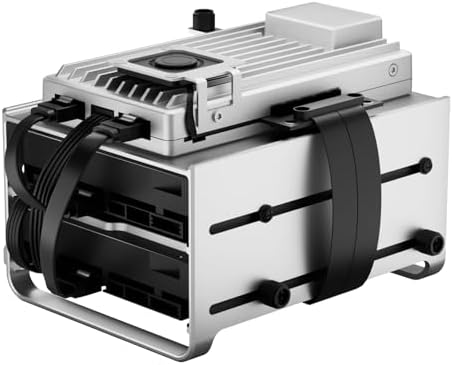
How does the purchase source affect the mini server warranty?
The purchase source affects the mini server warranty by determining who manages the claim process and who holds the legal responsibility for the hardware. A warranty is only as robust as the entity that stands between you and the manufacturer.
Buying direct from the maker ensures the shortest path for a claim, as the manufacturer handles the repair or replacement without third-party mediation. You receive the primary warranty terms exactly as defined by the engineering team that built the device.
How purchasing from an authorised retailer affects mini server warranty claims
Purchasing through an authorised retailer means the retailer acts as the first point of contact for the claim. They may offer a brief window for returns, but after that, they usually redirect you to the manufacturer’s service portal. You must verify if the retailer is a certified partner, as some may only offer “best effort” support for warranty issues.
We provide a detailed look at the Supermicro A1SRi-2558F Intel C2558 EKSMC2558M557-M spec breakdown.
Risks of buying mini servers from international marketplace sellers
Buying from a marketplace seller introduces a layer of risk where the seller may not be the actual manufacturer or an authorised distributor. If the seller is based in a different country, shipping a faulty unit back for repair can cost more than the value of the hardware itself. You may find that the “warranty” offered by a marketplace seller is merely a 30-day return window rather than a long-term hardware guarantee.
Limited warranty coverage for refurbished or open-box mini servers
A refurbished or open-box seller typically provides a significantly shortened warranty, often 90 days to 1 year. These units have already been used, and the warranty usually covers only major functional failures, not individual component degradation. You should check if the refurbisher provides their own warranty or if they simply pass through a diminished version of the original manufacturer’s coverage.
Why grey-market mini server imports lack local manufacturer support
An importer or grey-market seller provides the highest risk for warranty claims because the hardware was not intended for your specific region. The manufacturer may refuse to service the device because the serial number is not registered in their local database. In these cases, you are often left with no recourse other than a repair from a local, independent shop that may not have the proprietary parts required.
What actions void a mini server warranty?
Actions that void a mini server warranty include any modification that alters the electrical state or physical integrity of the internal components. Because mini servers are often high-density units, small changes can lead to significant thermal or electrical issues that manufacturers will label as “unauthorized modifications.”
This compact unit is featured in our full Intel N100 Mini PC review.
How opening the chassis for upgrades can void mini server warranties
Opening the chassis to perform a component swap, such as replacing a standard RAM stick with a higher-capacity module, can void the warranty if the manufacturer requires a sealed unit. If you break a factory seal or leave visible tool marks on the casing, the manufacturer may refuse to service the device. To avoid this, check if the manufacturer provides a “user-serviceable” guide that specifies which components can be upgraded without voiding coverage.
Consequences of modifying the mini server cooling system or thermal paste
Modifying the cooling system or removing thermal paste from the CPU can also void the warranty. If a device suffers a thermal failure and the manufacturer finds that the stock heatsink was tampered with, the claim will be denied. This is similar to how a car’s warranty might be voided if the owner modifies the engine’s cooling system. If the warranty is voided, you lose the protection of the manufacturer’s repair service and must pay for all repairs out of pocket.
Avoiding warranty voidance by staying within mini server power limits
Exceeding the rated power limits of the unit is another common voidance trigger. If a user installs high-draw components that cause the power delivery system to overheat or fail, the manufacturer can claim the failure was caused by an unsupported configuration. Always verify the maximum supported power draw before adding secondary components like NVMe expansion cards or high-draw NICs.
For a unique storage solution, view our full Zimaboard 2 1664 review.
What to do before buying to ensure a future claim works?
To ensure a future claim works, you must document the hardware’s condition and your purchase details immediately upon receipt. A clear paper trail prevents disputes over whether a fault was present at the time of sale or occurred during your operation.
- Record the serial number and the manufacture date from the physical sticker on the chassis.
- Take clear photos of the unit’s exterior and the internal components before you install your own hardware.
- Save the original invoice and a PDF copy of the warranty terms provided at the time of purchase.
- Keep all original packaging, as some manufacturers require the original box for shipping a unit back for repair.
- Create a “baseline” log of the system’s operating temperatures and power draw within the first 48 hours of use.
Steps to verify and document a new mini server purchase
A buyer first receives the unit and confirms the serial number matches the invoice. They then run a stress test to ensure the hardware performs to the stated specifications. Finally, they store the documentation in a dedicated folder, ensuring they have everything needed if a component fails six months later.
When is an extended warranty worth it?
An extended warranty is worth it if the cost of a total hardware replacement exceeds the cost of the protection plan and you lack the expertise to perform component-level repairs. For a mini server, this is a valid consideration if the device is intended to run critical services where downtime results in a measurable loss of productivity. It is not worth it if you are comfortable replacing individual components, such as RAM or storage, yourself, as these parts are often cheaper to replace than the cost of a multi-year service plan. If you are running a non-critical project where you can easily rebuild the server from a spare machine, you can skip the extended coverage and save the cost.