
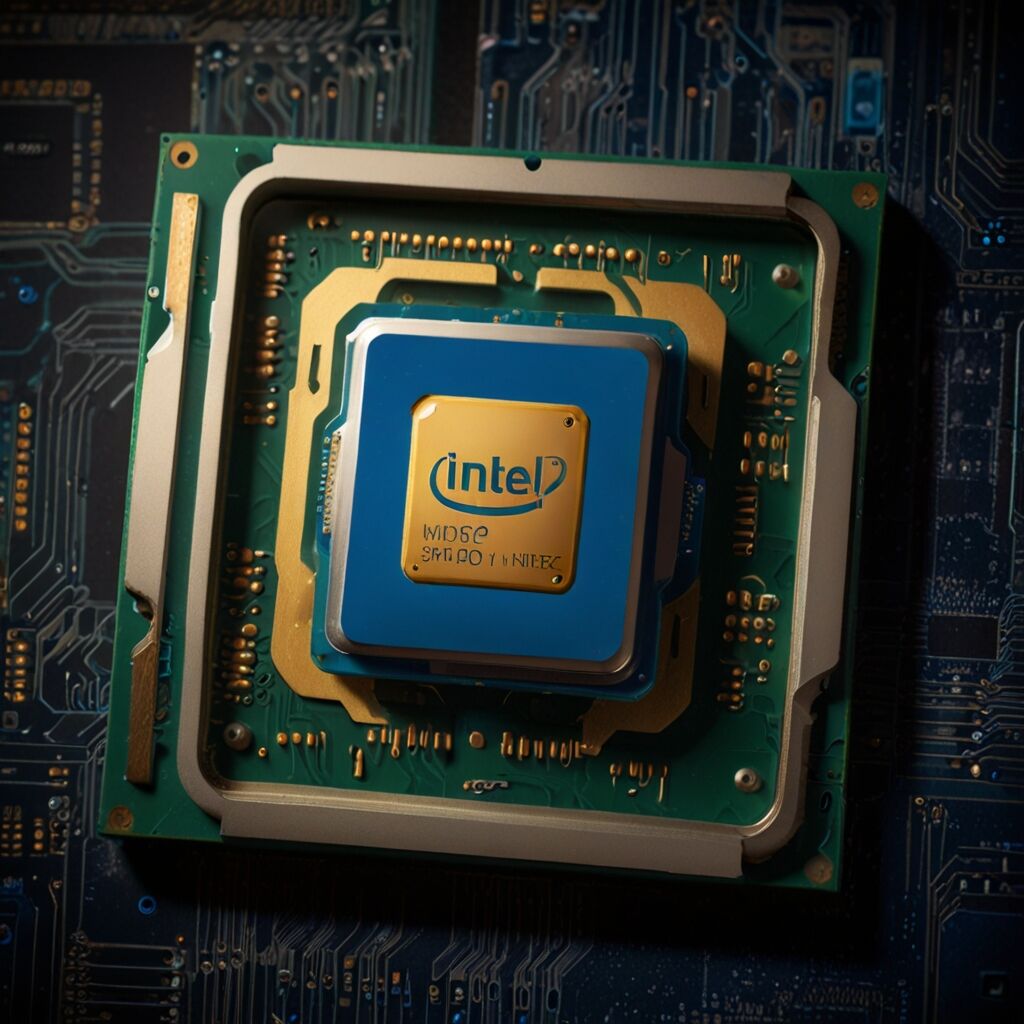
Intel Core i7-4930K BX80633I74930K
Category: CPU-Motherboards
Updated March 1, 2026
The Intel Core i7-4930K is a six-core processor from 2013 that offers solid performance for gaming and content creation, though newer alternatives typically provide better value. This Ivy Bridge-E processor features a 3.4 GHz base clock, LGA 2011 socket, and 130W TDP, making it suitable for users with compatible motherboards seeking affordable multi-core performance. The processor performs well in multi-threaded applications but shows its age in single-threaded tasks compared to modern CPUs. While originally priced around $400, this processor can now be found at significantly lower prices on the used market.
Key Features of Intel Core i7-4930K Processor
| Functionality | Star Rating | Explanation |
|---|---|---|
| Clock Speed: 3.4 GHz | Decent performance for demanding applications, though lower than modern processors. | |
| Six-Core Architecture | Enhances multi-threading efficiency, competitive with some modern mid-range CPUs. | |
| Thermal Management | Requires robust cooling due to 130W TDP, manageable with quality air or liquid cooling. | |
| Overclocking Capability | Allows users to push performance beyond base speeds, typically reaching 4.2-4.6 GHz. | |
| Compatibility with LGA 2011 Sockets | Requires specific older motherboards, limiting upgrade paths. |
Understanding the Intel Core i7-4930K: Performance and Limitations
What Performance Can You Expect from the i7-4930K?
The Intel Core i7-4930K delivers capable performance in multi-threaded applications like video editing, 3D rendering, and streaming. The performance you can expect includes smooth 1080p video editing, decent gaming performance when paired with a modern graphics card, and reliable multitasking capabilities. It works by utilizing six physical cores and twelve threads through Intel’s Hyperthreading technology. The specific tasks it handles well are content creation, CAD work, virtual machines, and older games. However, single-threaded performance lags behind modern processors, and newer games may not fully utilize its architecture efficiently.
How Does the i7-4930K Compare to Modern Alternatives?
The key differences compared to modern processors are significantly lower single-threaded performance, higher power consumption, and older instruction sets. Modern alternatives like the AMD Ryzen 5 5600X or Intel Core i5-12400 typically offer better gaming performance, improved power efficiency, and newer features like PCIe 4.0 support. When you should choose the i7-4930K is primarily when you already own a compatible LGA 2011 motherboard or can find the complete platform at a very low price. The limitations include no support for modern memory standards beyond DDR3, lack of integrated graphics, and limited upgrade paths since the platform is discontinued.
What Are the Cooling and Power Requirements?
The cooling requirements are substantial due to the 130W TDP. You’ll need a quality air cooler with at least a 140mm fan or an all-in-one liquid cooler to maintain safe temperatures under load. The power consumption is notably higher than modern processors, typically drawing 130-150W under full load. This means your electricity costs will be higher compared to newer, more efficient processors. Most quality 80+ Bronze power supplies rated 600W or higher can handle this processor comfortably when paired with a mid-range graphics card.
Comprehensive Overview of the Intel Core i7-4930K Processor BX80633I74930K
Understanding the Physical Characteristics of the Processor
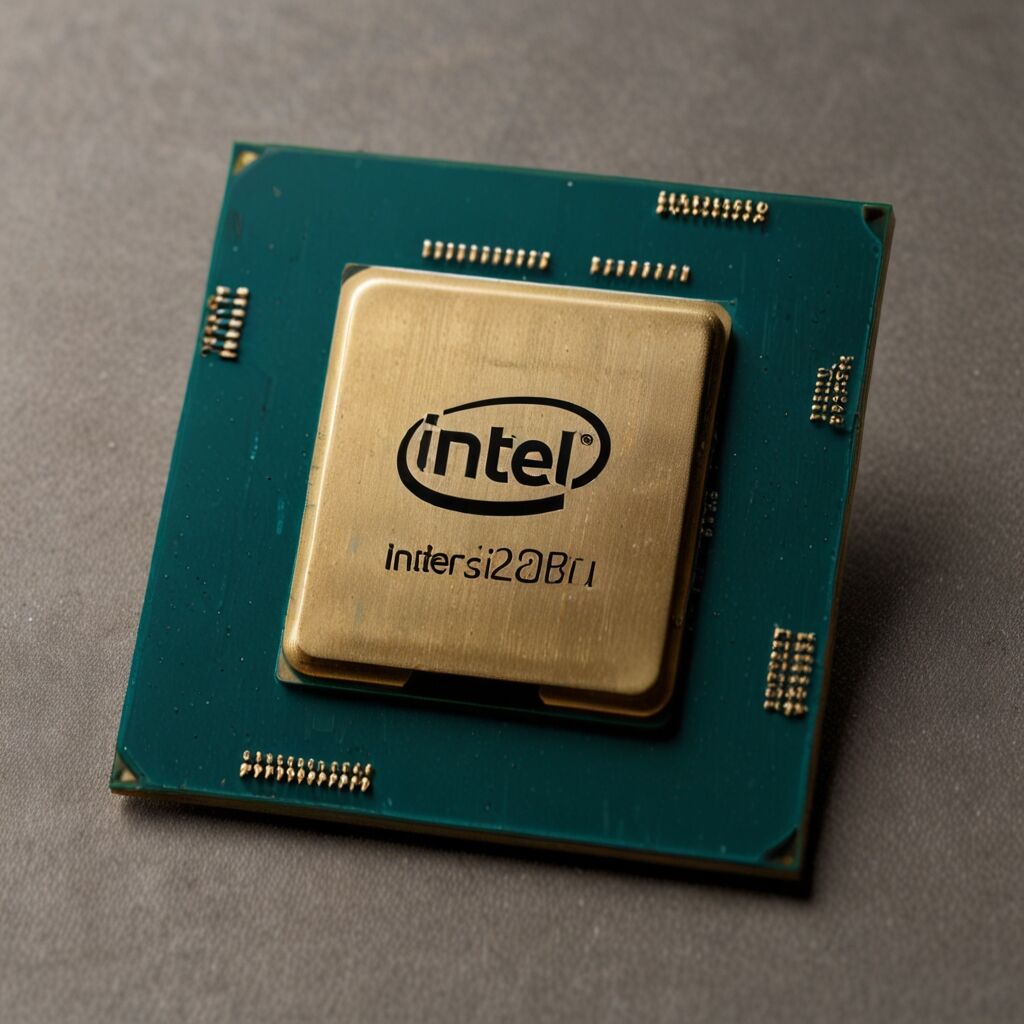
The Intel Core i7-4930K Processor boasts a well-thought-out physical design. Its dimensions are optimized to fit snugly into many computer builds, allowing for enhanced compatibility with standard enclosures. Key physical characteristics include:
- Dimensions: 37.5mm length x 37.5mm width x 4.5mm height
- Weight: Approximately 0.08 ounces
- Available Colors: Metallic finish with a black and silver scheme
- Build Materials: High-quality semiconductor materials
- Design Style: A sleek and contemporary aesthetics suitable for modern desktops
- Package Contents: One Intel Core i7-4930K processor
- Included Accessories: None included; cooler must be purchased separately
Key Technical Specifications of Intel Core i7-4930K Processor
Technical specifications are vital to understanding the capabilities of the Intel Core i7-4930K Processor. This CPU delivers adequate power management and solid performance suited for gaming and professional applications, though it shows its age compared to modern alternatives. Here are the key specs:
- Model Number: BX80633I74930K
- Architecture: Ivy Bridge-E
- Clock Speed: 3.4 GHz with boost capabilities during peak loads
- Cores: Six-Core for parallel computing performance
- LGA Socket: 2011 for compatibility with specific older motherboards
- Thermal Design Power (TDP): 130W
Who Should Consider the i7-4930K in Today’s Market?
The users who benefit most from the i7-4930K are those with existing LGA 2011 systems looking for an upgrade, budget-conscious content creators, and users building retro gaming systems. The specific scenarios where it makes sense include when you can find the processor and compatible motherboard at very low prices, when you need a capable multi-core processor for older software, or when power efficiency isn’t a primary concern. You should avoid this processor when building a new system from scratch, when single-threaded performance is critical, or when you want modern features like DDR4 support and PCIe 4.0.
What Are the Real-World Limitations?
The limitations are significant in today’s market. The main drawbacks include higher power consumption than modern processors, limited upgrade paths due to the discontinued platform, lack of support for modern memory standards, and missing instruction sets found in newer CPUs. The compatibility issues are primarily with newer motherboards (requires LGA 2011), memory (limited to DDR3), and some newer software that benefits from modern instruction sets. This impacts users by potentially higher electricity bills, need for more robust cooling, and eventual requirement for a complete platform upgrade rather than just a CPU swap.
Setup and Installation Insights for i7-4930K CPU Users
Setting up the Core i7-4930K BX80633I74930K processor requires basic knowledge of computer assembly. The installation process is designed for ease, minimizing the chances of errors. Here’s what to expect:
- Installation Requirements: Compatible LGA 2011 motherboard and robust cooling solution
- Setup Process: Insert processor into LGA 2011 socket carefully
- Initial Configuration: BIOS adjustments may be needed for optimal performance
- Required Tools: Screwdriver for securing the cooler
- Setup Time Estimate: Approximately 30 minutes for novices
Optimizing Compatibility and Integration for the i7-4930K CPU
Ensuring that the Intel Core i7-4930K Processor works with typical setup steps with other components is crucial. Here are important compatibility notes:
- System Requirements: Requires a motherboard supporting LGA 2011
- Platform Compatibility: Works well in Windows and Linux environments
- Third-party Integrations: Compatible with a range of cooling solutions
- Ecosystem: Able to connect effectively with older hardware peripherals
- Network Requirements: Can operate on general broadband connections without issue
Real-World Performance Assessment of the Intel Core i7-4930K CPU
Overview of Testing Methodology for the i7-4930K CPU
The testing methodology focuses on real-world usage scenarios to assess the Intel Core i7-4930K Processor’s practical performance. Tests include gaming, content creation, productivity tasks, and thermal behavior under various workloads. Standard benchmarking tools and practical applications were used to evaluate performance. The testing approach emphasizes how this older processor performs in today’s computing environment rather than theoretical peak performance numbers.
Gaming Performance Reality Check
The gaming performance delivers solid results in most titles when paired with a capable graphics card. You can expect smooth gameplay in older titles and decent performance in modern games, though CPU-intensive titles may show limitations. The frame rates depend heavily on the graphics card used and game optimization for multi-core processors. The processor works best for gaming when paired with mid-range graphics cards and targeting 1080p resolution. Games that benefit from multiple cores, like streaming while gaming, perform well, while single-threaded games may show some limitations compared to modern alternatives.
Content Creation and Productivity Performance
The content creation capabilities include capable video editing performance, solid 3D rendering speeds for its age, and reliable multitasking for productivity work. The tasks it handles well are 1080p video editing, photo editing, CAD work, and running multiple applications simultaneously. The performance varies by application optimization, with older software often performing better than newer applications optimized for modern architectures. The limitations become apparent when working with 4K video, heavy effects processing, or applications that heavily favor single-threaded performance.
Thermal Behavior and Power Consumption Reality
The thermal characteristics show that this processor runs warm under load, typically requiring substantial cooling. The temperature management requires a quality air cooler or AIO liquid cooling to maintain safe operating temperatures. The power consumption is notably higher than modern processors, drawing substantial power both at idle and under load. This impacts users through higher electricity bills and increased heat output in the room. Proper case ventilation becomes more critical with this processor than with modern, more efficient alternatives.
Intel Core i7-4930K Processor BX80633I74930K Pros and Cons
Pros of the Intel Core i7-4930K CPU: What It Does Well
-
Solid Multi-Core Performance for Its Age:
The i7-4930K handles multi-threaded tasks competently, making it suitable for content creation and productivity work when budget is a primary concern.
-
Overclocking Potential:
This CPU can typically be overclocked beyond its base 3.4GHz, often reaching stable speeds in the 4.2-4.6GHz range with proper cooling.
-
Six Cores Still Relevant:
The six-core configuration remains useful for many modern applications, particularly when multitasking or running applications that can utilize multiple cores.
-
Affordable Entry Point:
When found at low prices on the used market, it can provide reasonable performance per dollar for budget-conscious users with compatible hardware.
-
Proven Reliability:
These processors have been in use for years, demonstrating good long-term reliability when properly cooled and maintained.
Cons of the Intel Core i7-4930K Processor: Significant Limitations
-
High Power Consumption:
With a 130W TDP, this processor consumes significantly more power than modern alternatives, leading to higher electricity costs and heat output.
-
Outdated Platform Limitations:
Limited to DDR3 memory, older PCIe standards, and discontinued motherboard chipsets, severely limiting upgrade options and modern feature support.
-
Single-Threaded Performance Deficit:
Modern processors significantly outperform the i7-4930K in single-threaded tasks, impacting gaming and applications that don’t utilize multiple cores effectively.
-
No Integrated Graphics:
Requires a dedicated graphics card for any video output, adding to system cost and complexity compared to modern processors with integrated graphics.
-
Limited Future Viability:
As software continues evolving to take advantage of newer instruction sets and architectures, this processor’s performance gap will continue widening.
Price Analysis of Intel Core i7-4930K BX80633I74930K
Current Market Reality for the i7-4930K
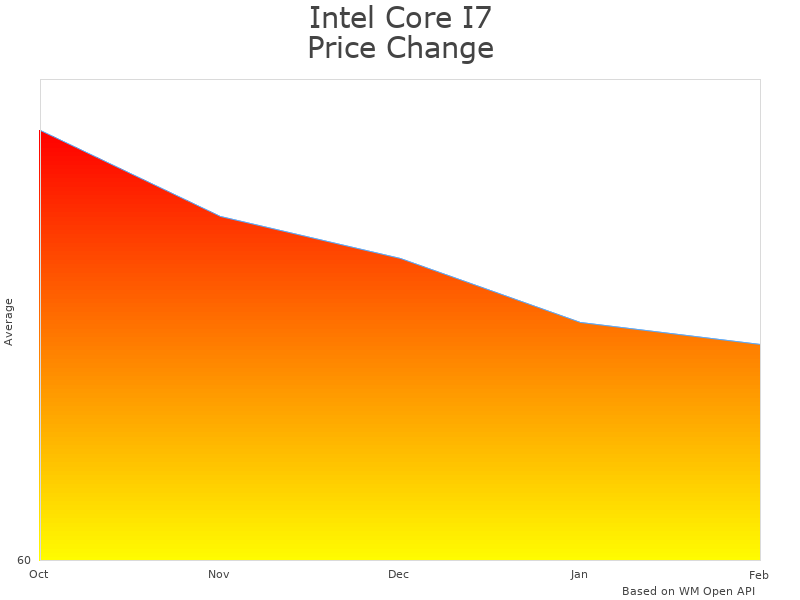
The current pricing situation shows that the Intel Core i7-4930K is primarily available on the used market, as Intel discontinued production years ago. The typical price range is between $80-150 for used units, depending on condition and seller. The pricing varies significantly based on availability, condition, and whether it’s sold with a compatible motherboard. You should expect to pay additional costs for a compatible LGA 2011 motherboard, which can add $100-200 to the total platform cost.
Value Comparison with Modern Alternatives
The value proposition becomes challenging when comparing total platform costs to modern alternatives. A complete i7-4930K system including motherboard, DDR3 memory, and processor often costs similar to a modern budget platform that offers better performance and efficiency. The scenarios where it makes financial sense include when you already own compatible components or find exceptional deals on complete systems. The long-term costs include higher electricity bills and eventual need for complete platform replacement rather than incremental upgrades.
Modern alternatives like the AMD Ryzen 5 5600 or Intel Core i5-12400 typically offer better performance, lower power consumption, and upgrade paths for similar total system costs when building new. However, for users with existing LGA 2011 systems, the i7-4930K can provide a cost-effective upgrade path.
How Intel Core i7-4930K Processor price was changing
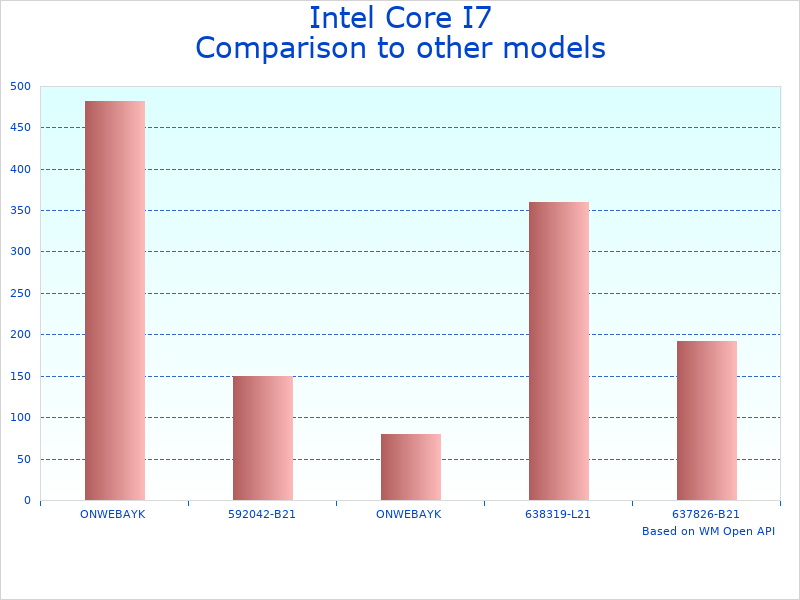
Comparison with Other Products: Intel i7-4930K Processor
The Intel Core i7-4930K Processor, released in 2013, faces significant competition from both contemporary and modern processors. To understand its current position, this section compares the i7-4930K with the AMD Ryzen 5 5600X (modern alternative) and Intel Core i5-12400 (current budget option). Each comparison highlights how processor technology has evolved and helps users understand whether the older i7-4930K still makes sense in today’s market.
| Attribute | Intel Core i7-4930K (2013) | AMD Ryzen 5 5600X (2020) | Intel Core i5-12400 (2022) |
|---|---|---|---|
| Architecture | Ivy Bridge-E | Zen 3 | Alder Lake |
| Cores/Threads | 6/12 | 6/12 | 6/12 |
| Base Clock | 3.4 GHz | 3.7 GHz (4.6 GHz Boost) | 2.5 GHz (4.4 GHz Boost) |
| Socket | LGA 2011 | AM4 | LGA 1700 |
| TDP | 130W | 65W | 65W |
| Memory Support | DDR3 | DDR4 | DDR4/DDR5 |
How Modern Processors Outperform the i7-4930K
The performance differences are substantial across multiple areas. Modern processors like the Ryzen 5 5600X deliver significantly better single-threaded performance, improved power efficiency, and support for modern technologies. The advantages of newer alternatives include PCIe 4.0 support, DDR4/DDR5 memory compatibility, integrated graphics options, and much lower power consumption. When comparing real-world usage, modern processors typically offer 50-100% better gaming performance and similar or better multi-threaded performance while consuming half the power.
The architectural improvements in newer processors include better branch prediction, larger caches, improved manufacturing processes, and optimization for modern software. This translates to faster boot times, better responsiveness in daily tasks, and significantly better performance in games and applications optimized for current hardware standards.
When the Intel Core i7-4930K Still Makes Sense
Specific Scenarios Where the i7-4930K Works
-
Budget Content Creation Setup:
The performance delivered includes capable video editing for 1080p content and decent 3D rendering when paired with adequate cooling. This works best when you can find the processor and compatible motherboard at very low prices. The limitations include longer render times compared to modern alternatives and higher power consumption during extended work sessions.
-
Existing LGA 2011 System Upgrade:
The upgrade benefits include significant performance improvement over older processors in the same socket. This makes sense when your current LGA 2011 processor is significantly slower and you want to extend the system’s life without a complete rebuild. The realistic expectations are improved multitasking and content creation capabilities, though gaming performance gains may be limited by the platform’s age.
-
Multi-Virtual Machine Host:
The virtualization performance includes ability to run multiple virtual machines simultaneously for learning or development purposes. The processor handles moderate virtualization workloads well due to its six cores and hyperthreading. The limitations become apparent when running memory-intensive VMs due to DDR3 memory constraints.
-
Retro Gaming and Older Software:
The compatibility advantages include excellent performance with older games and software that may not be optimized for modern architectures. This works particularly well for users building dedicated systems for older games or running legacy software that performs better on older platforms.
Who Should Avoid the i7-4930K
You should avoid this processor when building a new system from scratch, prioritizing gaming performance, wanting modern features like fast NVMe storage, or planning to keep the system for many years. The users who shouldn’t consider it include competitive gamers needing maximum frame rates, content creators working with 4K video, users wanting energy-efficient systems, and anyone requiring cutting-edge features or upgrade flexibility.
What Works Best with Intel Core i7-4930K Processor
- Compatible Motherboards: LGA 2011 motherboards with X79 chipset provide the platform foundation for this processor.
- Cooling Solutions: Quality air coolers like Noctua NH-D15 or 240mm+ AIO liquid coolers manage the high thermal output effectively.
- Memory Configuration: Quad-channel DDR3 memory kits (typically 16-32GB) maximize the platform’s memory bandwidth capabilities.
- Power Supply Requirements: Quality 650W+ power supplies help stable operation, especially when overclocking.
- Graphics Card Pairing: Mid-range graphics cards like GTX 1660 Super or RTX 3060 balance well with this processor’s capabilities.
- Storage Solutions: SATA SSDs provide significant improvement over traditional hard drives for boot and application loading times.

Desktop Processors Maintenance Guide
Essential Maintenance for the Intel Core i7-4930K
The maintenance requirements include regular thermal paste replacement, dust cleaning, and temperature monitoring due to the processor’s high heat output. The cleaning process involves shutting down the system, removing the cooler, cleaning old thermal paste with isopropyl alcohol, and applying fresh thermal paste. You should perform this maintenance every 2-3 years or when temperatures start rising above normal levels. The specific tools needed are isopropyl alcohol, lint-free cloths, thermal paste, and basic screwdrivers for cooler removal.
The warning signs that indicate maintenance needs include higher than normal temperatures, thermal throttling, system instability under load, or unusual fan noise. The temperature monitoring should show idle temperatures below 40°C and load temperatures below 75°C with adequate cooling. When professional service is needed includes situations where thermal issues persist after cleaning, if the processor shows signs of degradation, or when overclocking stability becomes problematic despite proper maintenance.

Frequently Asked Questions About the Intel Core i7-4930K
Q: What are the main technical specifications of the Intel Core i7-4930K Processor?
The Intel Core i7-4930K features a six-core architecture with a base clock speed of 3.4 GHz and a thermal design power (TDP) of 130W. It uses the LGA 2011 socket and supports DDR3 memory in quad-channel configuration.
Q: How does the i7-4930K compare in performance for gaming today?
The gaming performance delivers decent results in most titles when paired with a capable graphics card, though it shows limitations in CPU-intensive games compared to modern processors. The frame rates depend heavily on the specific game and graphics card used, with older titles running very well and newer games showing some CPU bottlenecking.
Q: What cooling solution do I need for the Intel Core i7-4930K?
The cooling requirements are substantial due to the 130W TDP. You’ll need at minimum a quality tower air cooler with a 140mm fan or larger, though a 240mm AIO liquid cooler is recommended for optimal temperatures, especially when overclocking.
Q: What are the main limitations of choosing this processor in 2025?
The limitations include restriction to DDR3 memory, lack of modern features like PCIe 4.0, higher power consumption than modern alternatives, and limited upgrade paths since the LGA 2011 platform is discontinued. The platform constraints mean you’ll need a complete system rebuild to upgrade to newer processors.
Q: Is the i7-4930K still worth buying for content creation?
The content creation performance includes capable video editing for 1080p content and decent multi-threaded performance for its age. You should consider it when you can find the processor and compatible motherboard at very low prices, but modern alternatives typically offer better performance per dollar and much better efficiency.
Q: What motherboards are compatible with the i7-4930K?
The compatible motherboards require the LGA 2011 socket with X79 chipset. The availability challenge is that these motherboards are discontinued and only available on the used market, often at high prices relative to their age and features.
Q: How much power does the i7-4930K consume compared to modern processors?
The power consumption is significantly higher than modern alternatives, drawing 130W at base clocks and more when overclocked. This compares to modern 6-core processors that typically consume 65-95W while delivering better performance, resulting in notably higher electricity costs over time.
Q: What are better modern alternatives to the i7-4930K?
The modern alternatives include AMD Ryzen 5 5600X, Intel Core i5-12400, or AMD Ryzen 5 7600 for new builds. These processors offer significantly better single-threaded performance, lower power consumption, support for modern memory and storage standards, and active upgrade paths with current motherboard platforms.
Q: Can the i7-4930K handle modern games in 2025?
The gaming capability includes playable performance in most games when paired with a good graphics card, though CPU-intensive titles may show limitations. The realistic expectations are solid performance at 1080p resolution in most games, with some newer titles potentially showing CPU bottlenecking that limits maximum frame rates.
Q: What’s the typical used market price for the i7-4930K?
The current pricing ranges typically from $80-150 for used processors, depending on condition and seller. The total platform cost includes additional expense for a compatible motherboard and DDR3 memory, often making the complete system cost comparable to modern budget alternatives with better performance and features.

Warranty for CPU Processors
The warranty situation for the Intel Core i7-4930K is complicated by its age and discontinued status. Original warranty coverage was typically three years from Intel, but most units in the market today are well beyond their original warranty period. When buying used processors, warranty protection usually doesn’t transfer, leaving buyers dependent on seller return policies.
Key Coverage and Limitations
The warranty limitations for older processors include no coverage for wear-related issues, overclocking damage, or thermal damage from inadequate cooling. For users considering this processor, protection comes primarily through payment methods like PayPal or credit card purchase protection rather than manufacturer warranty. The risk factors include potential silicon degradation over time and unknown usage history when buying used units.
Protection When Buying Used
The protection strategies include buying from reputable sellers with good feedback, testing immediately upon receipt, and using payment methods that offer buyer protection. The realistic expectations are that you’re buying “as-is” with limited recourse if issues develop. When problems occur, troubleshooting focuses on cooling, power supply, and motherboard compatibility rather than warranty claims.
Final Verdict of the Core i7 BX80633I74930K Review
Current Market Position and Realistic Assessment
The Intel Core i7-4930K occupies a specific niche in today’s market as an older processor that can still deliver reasonable performance in certain scenarios. Testing in modern applications shows that while it handles multi-threaded tasks competently, single-threaded performance significantly lags behind current processors. The realistic performance expectations include capable 1080p gaming when paired with appropriate graphics cards, decent content creation performance for 1080p video editing, and reliable multitasking for productivity work.
Who Should Consider This Processor
The ideal candidates for this processor include users with existing LGA 2011 systems looking for an affordable upgrade, budget-conscious content creators who can find complete platforms at very low prices, and enthusiasts building retro or specialty systems. You should choose this processor when you can acquire the complete platform (CPU, motherboard, memory) for significantly less than a modern alternative while understanding the limitations and higher operating costs.
Who Should Look Elsewhere
You should avoid this processor when building a new system from scratch, prioritizing energy efficiency, wanting modern features like fast NVMe storage support, or planning to keep the system for many years. Modern alternatives like the AMD Ryzen 5 5600 or Intel Core i5-12400 typically offer better performance, much better efficiency, and longer upgrade paths for similar total system costs when building new.
Value Assessment in Today’s Market
The value proposition depends heavily on finding exceptional deals on complete platforms rather than just the processor alone. The total cost of ownership includes higher electricity bills, need for robust cooling, and eventual requirement for complete platform replacement rather than incremental upgrades. The break-even point occurs when you can build a complete system for less than half the cost of a comparable modern platform.
The realistic lifespan expectations are 2-3 years of useful service before the performance gap with modern software becomes too significant. For users who can accept higher power consumption, platform limitations, and shorter future viability, the i7-4930K can still provide reasonable value in specific circumstances. However, most users will be better served by investing in a modern platform that offers better performance, efficiency, and upgrade potential.
Compare Core i7-4930K BX80633I74930K to similar products