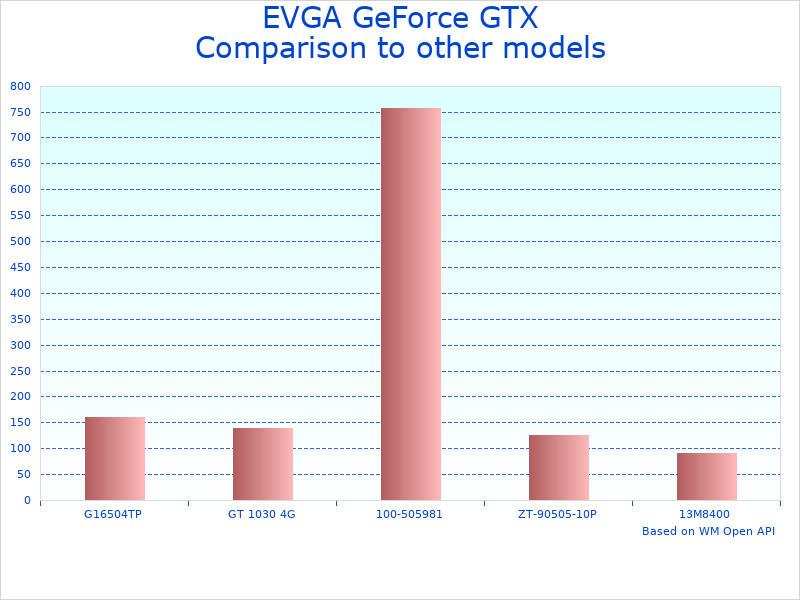

EVGA GeForce GTX 03G-P4-2884-KR
Category: CPU-Motherboards
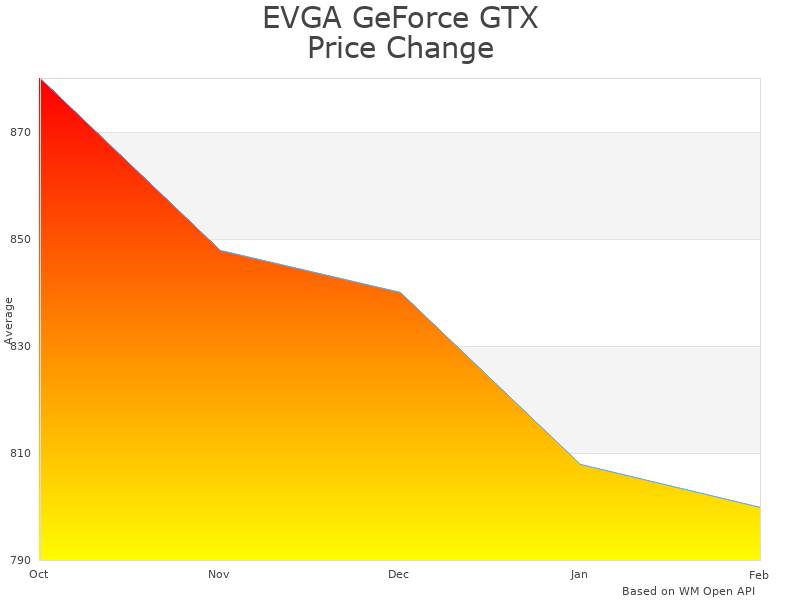
Last week’s price: 799.95
Updated March 1, 2026
The EVGA GeForce GTX 780 Ti Superclocked 03G-P4-2884-KR was NVIDIA’s flagship gaming graphics card released in November 2013. Built on the Kepler GK110 architecture with 2880 shader processors and 3GB GDDR5 memory, it competed directly with AMD’s R9 290X. Originally priced at $699, this card has been discontinued since 2016 and is now only available used. This review examines its historical significance and specifications for educational purposes.
GTX 780 Ti Performance Summary (2013 Context)
| Category | Rating | Notes |
|---|---|---|
| 1440p Gaming (2013) | ★★★★★ | Excellent performance in contemporary titles |
| ACX Cooling | ★★★★☆ | Effective dual-fan solution for 250W TDP |
| Memory (3GB) | ★★★☆☆ | Adequate for 2013, limiting by 2015 |
| Power Efficiency | ★★★☆☆ | High consumption even for 2013 standards |
Technical Specifications
Core Architecture
The GTX 780 Ti utilized NVIDIA’s Kepler GK110 architecture fabricated on TSMC’s 28nm process. Key specifications include:
- GPU: GK110-425-B1 (Kepler)
- Shader Processors: 2880
- Base Clock: 876 MHz
- Boost Clock: 928 MHz (reference), 1006/1072 MHz (EVGA SC)
- Memory: 3GB GDDR5
- Memory Interface: 384-bit
- Memory Bandwidth: 336 GB/s
- TDP: 250W
EVGA-Specific Features
The EVGA Superclocked variant included:
- Factory overclocked to 1006 MHz base, 1072 MHz boost
- ACX dual-fan cooling solution
- Custom PCB design
- Dual 6-pin + 8-pin power connectors
- 3-year warranty (during retail period)
Display Connectivity
Output options included:
- 2x Dual-Link DVI
- 1x HDMI 1.4
- 1x DisplayPort 1.2
- Maximum resolution: 4096×2160
Historical Performance Analysis
Gaming Performance (2013-2014 Titles)
Based on period reviews, typical performance included:
| Game (2013-2014) | 1080p Ultra | 1440p High |
|---|---|---|
| Battlefield 4 | ~70 FPS | ~50 FPS |
| Crysis 3 | ~45 FPS | ~35 FPS |
| Metro: Last Light | ~60 FPS | ~45 FPS |
| Bioshock Infinite | ~85 FPS | ~65 FPS |
Thermal and Power Characteristics
The ACX cooling solution typically maintained:
- Idle temperatures: 30-35°C
- Gaming load: 75-80°C
- Power consumption: 250W (card), ~350W (system increase)
- Noise levels: Moderate under load
Historical Market Context
2013 Competition
| Graphics Card | Launch Price | Memory | TDP |
|---|---|---|---|
| GTX 780 Ti | $699 | 3GB GDDR5 | 250W |
| R9 290X | $549 | 4GB GDDR5 | 290W |
| GTX Titan | $999 | 6GB GDDR5 | 250W |
The GTX 780 Ti positioned itself as a premium gaming solution, offering better power efficiency than AMD‘s R9 290X while maintaining competitive performance. Market analysis from the period showed it competing primarily in the enthusiast segment.
Advantages and Limitations
Strengths (2013 Context)
- Performance Leadership: Among the fastest single-GPU solutions available in 2013
- Efficient Cooling: EVGA’s ACX solution improved upon reference thermal design
- Build Quality: Solid construction and component selection
- Overclocking Potential: Most samples achieved 1100-1200 MHz with adequate cooling
Limitations
- High Power Draw: 250W TDP required robust PSU and cooling
- Memory Constraints: 3GB became limiting as games evolved
- Premium Pricing: $699 launch price was expensive even for flagship tier
- Architecture Age: Kepler lacked efficiency improvements of later designs
Current Status and Legacy
Discontinuation Notice: This product has been discontinued since 2016. EVGA exited the graphics card market in 2022, ending all GPU warranty support.
Modern Relevance
The GTX 780 Ti is now primarily of historical interest:
- Driver Support: Ended with NVIDIA’s 472.xx series
- Performance: Inadequate for modern gaming demands
- Power Efficiency: Poor compared to current alternatives
- Feature Support: Lacks modern APIs and hardware features
Used Market Considerations
Current used pricing ranges from $75-200, but buyers should consider:
- No warranty coverage available
- Potential age-related component degradation
- Limited compatibility with modern games
- High power consumption relative to performance
GTX 780 Ti historical pricing analysis
Frequently Asked Questions
Q: Is the GTX 780 Ti worth buying today?
No. Modern budget GPUs like the RTX 3060 or RX 6600 offer significantly better performance, efficiency, and feature support. The GTX 780 Ti lacks driver support and cannot run many current games effectively.
Q: What was the GTX 780 Ti’s historical significance?
It represented the peak of NVIDIA’s Kepler architecture and demonstrated viable 1440p gaming performance in 2013. The card helped establish the high-end GPU market segment before Maxwell architecture improved efficiency standards.
Q: How did EVGA’s version differ from reference designs?
EVGA’s Superclocked variant featured higher factory clocks (1006/1072 MHz vs 876/928 MHz reference), improved ACX cooling, and custom PCB design for better power delivery and thermal management.
Q: What caused the GTX 780 Ti’s decline?
NVIDIA’s Maxwell architecture launch in 2014 (GTX 980) offered better performance per watt, making Kepler-based cards less attractive. Additionally, increasing VRAM requirements in games exposed the 3GB limitation.
Historical Assessment
The EVGA GeForce GTX 780 Ti Superclocked represented flagship gaming performance in 2013, delivering solid 1440p gaming and establishing NVIDIA’s position in the enthusiast market. The card featured robust construction, effective cooling, and competitive performance against AMD‘s alternatives.
However, rapid technological advancement has rendered this hardware obsolete for modern use. The combination of discontinued driver support, insufficient VRAM, and poor power efficiency makes it unsuitable for current gaming systems. Its primary value now lies in historical significance and potential use in period-appropriate retro gaming builds.
Modern Recommendation: This card is not recommended for purchase in 2025. Users seeking graphics solutions should invest in current-generation hardware that provides better performance, efficiency, and long-term support.
GTX 780 Ti in historical context