
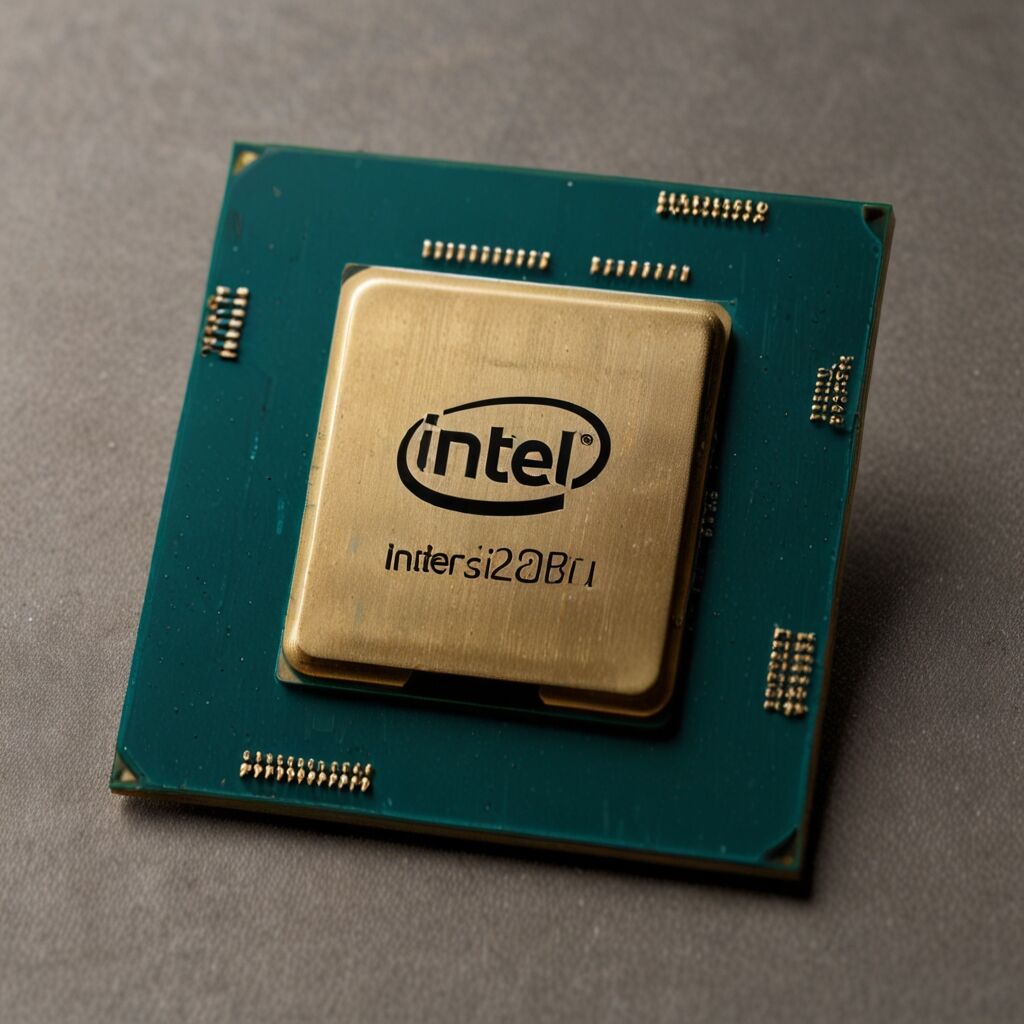
The Intel Core i7-4790K is a quad-core desktop processor with 8 threads, operating at 4.0GHz base frequency (4.4GHz turbo), specifically designed for handling multiple demanding applications simultaneously. Released in 2014 for the LGA 1150 socket, this Devil’s Canyon processor features 8MB cache, supports up to 32GB DDR3 memory, and remains particularly effective for gaming while streaming, video editing with multiple programs open, and running virtual machines alongside productivity software.
Understanding Intel Core i7-4790K Multitasking Architecture
Multitasking on the i7-4790K works through Intel’s Hyper-Threading technology, which creates two logical processors for each physical core, enabling the CPU to process eight instruction streams simultaneously. This architecture allows the processor to switch between tasks rapidly, typically within nanoseconds, distributing workloads across available threads based on application demands. The processor’s 88W TDP (Thermal Design Power) indicates it can sustain high performance during extended multitasking sessions, though adequate cooling becomes essential when running multiple intensive applications.
The benefits of the i7-4790K for multitasking include significantly reduced application switching time, smoother performance when running 3-5 demanding programs concurrently, and excellent responsiveness during complex workflows. Users typically experience minimal slowdown when combining tasks like gaming at 1080p while recording gameplay, editing documents during video rendering, or running development environments alongside testing applications. The processor particularly excels at maintaining consistent frame rates in games while handling background tasks like streaming software or voice chat applications.
Critical Specifications Impacting Multitasking Performance
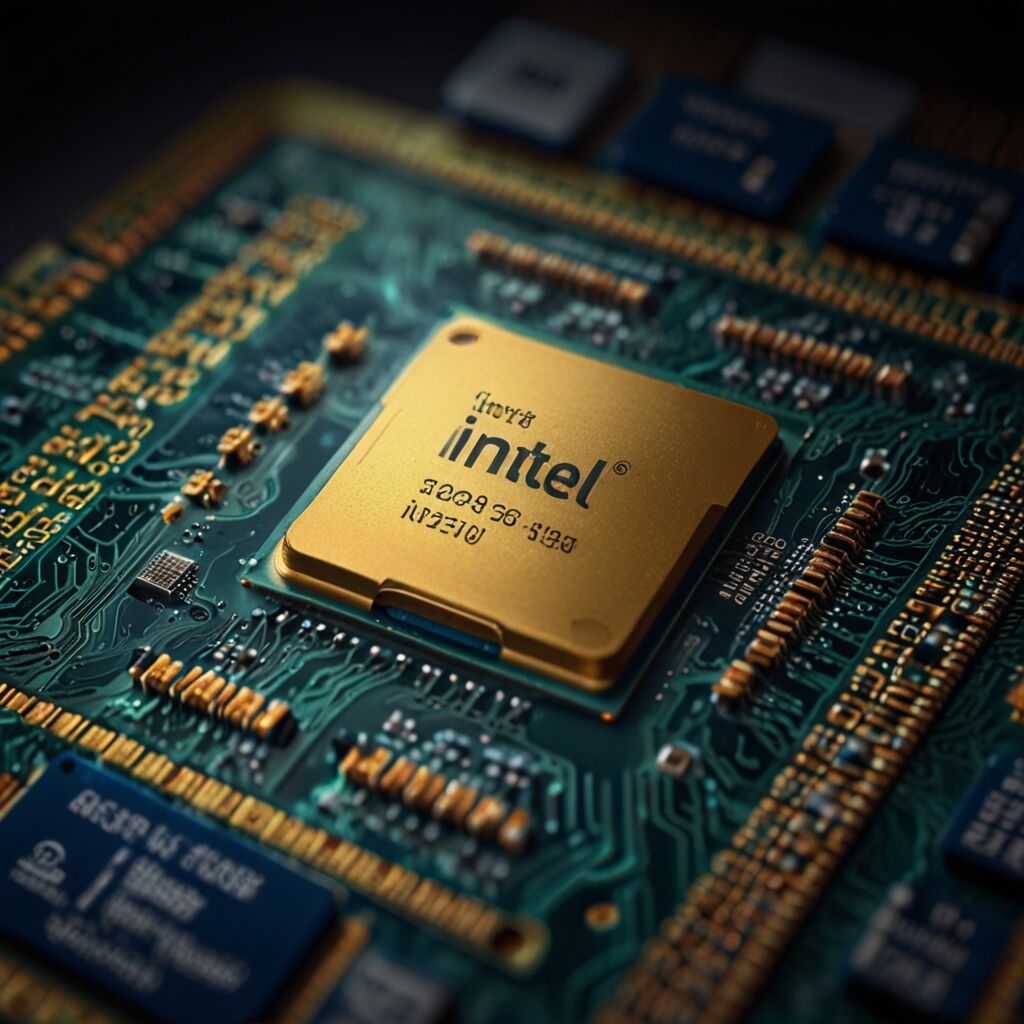
Key limitations include the processor’s DDR3 memory support (compared to modern DDR4/DDR5), which can bottleneck performance in memory-intensive multitasking scenarios. The 14nm manufacturing process, while efficient for its time, generates more heat than current processors, requiring robust cooling solutions for sustained heavy workloads. Additionally, the lack of integrated graphics enhancements means users must rely on discrete GPUs for any graphics-accelerated multitasking involving video editing or 3D rendering.
Who should use the i7-4790K depends largely on current system configurations and upgrade paths. Budget-conscious users with existing LGA 1150 motherboards find it an excellent upgrade for improved multitasking without platform changes. Content creators working with 1080p video editing, moderate 3D rendering, or music production still benefit from its capabilities. However, users requiring cutting-edge performance for 4K video editing, machine learning tasks, or extreme multitasking scenarios should consider newer platforms that provide enhanced processing power for creative workflows.
Real-World Multitasking Applications and Performance
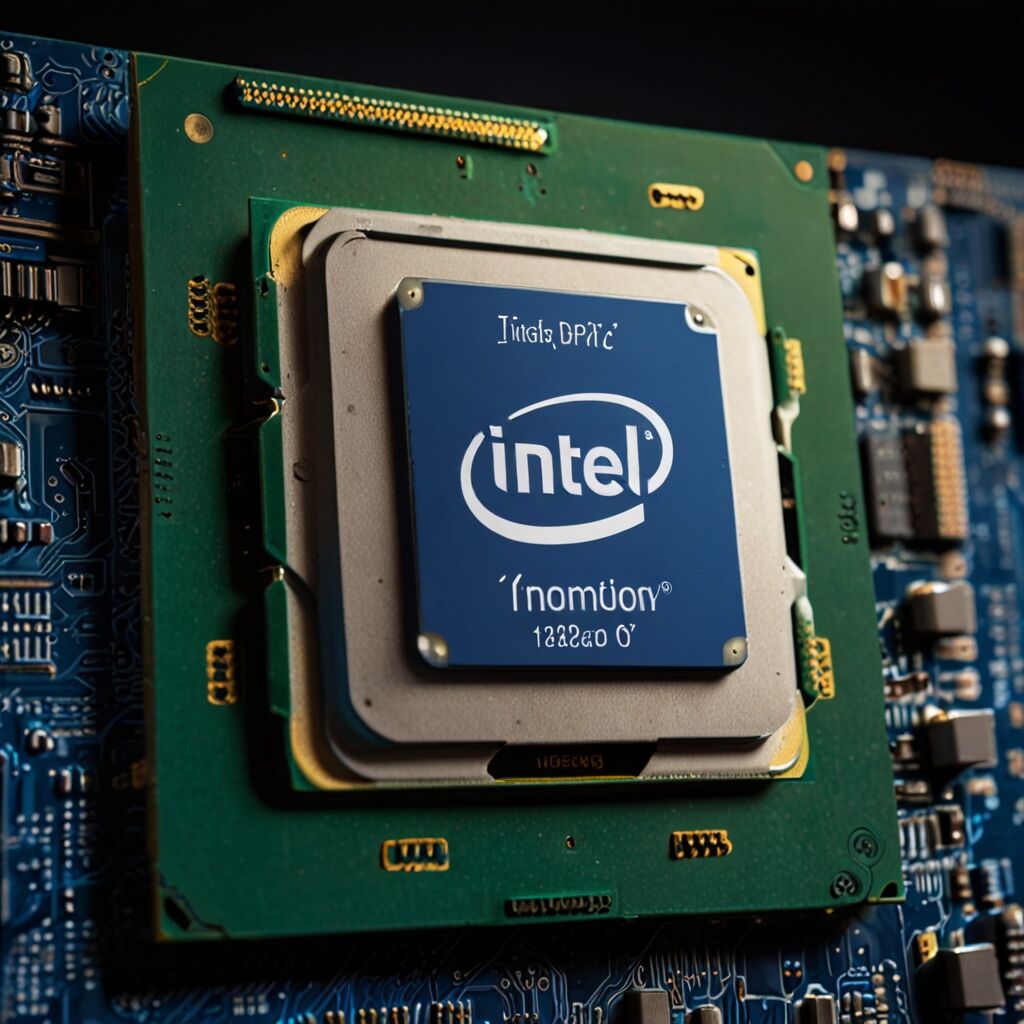
Common multitasking scenarios where the i7-4790K excels include running multiple browser instances with 50+ tabs while using productivity suites, streaming gameplay at 1080p 60fps while maintaining smooth gaming performance, and operating development environments with multiple virtual machines active. The Intel Core i7-4790K Processor significantly enhances these workflows through efficient thread management and sustained boost frequencies.
Software compatibility remains excellent, with the processor supporting all major operating systems including Windows 11 (with workarounds), Windows 10, and various Linux distributions. Popular applications like Adobe Creative Suite, OBS Studio, VMware Workstation, and modern game engines utilize the processor’s threading capabilities effectively. The CPU handles simultaneous tasks such as video encoding in Handbrake while browsing, Discord voice chat during gaming, or multiple IDE instances for programming without significant performance degradation.
Memory and Storage Optimization for Multitasking
Optimal RAM configuration for i7-4790K multitasking typically requires 16GB minimum, with 32GB recommended for heavy workloads involving virtual machines or content creation. DDR3-1866 or DDR3-2133 provides the best balance of compatibility and performance, though the processor officially supports up to DDR3-1600. Music production workflows particularly benefit from maxed-out memory configurations when running multiple VST plugins and digital audio workstations simultaneously.
Thermal Management and Sustained Performance
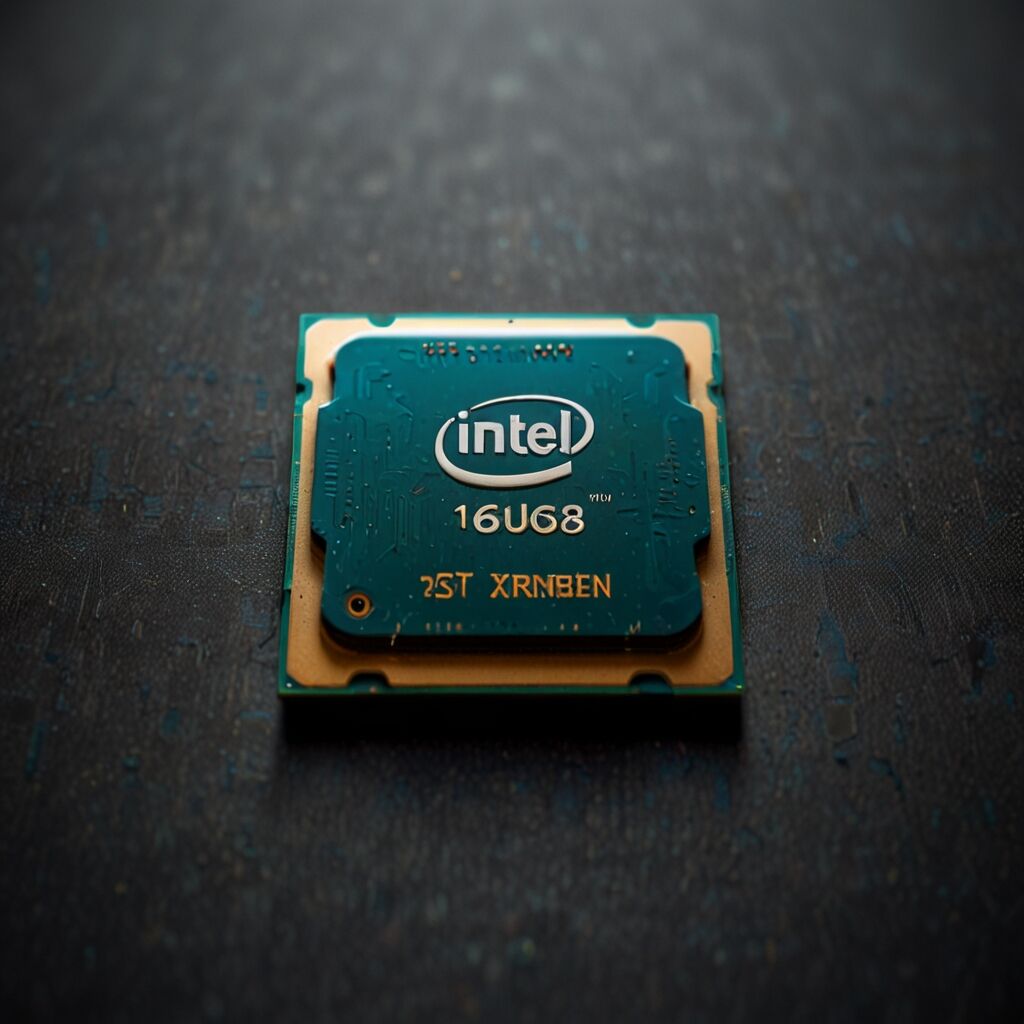
Temperature management becomes critical during heavy multitasking, with the i7-4790K typically operating between 35-45°C at idle and 65-80°C under full load with adequate cooling. Aftermarket coolers like the Cooler Master Hyper 212 or Noctua NH-D15 help maintain boost frequencies during extended multitasking sessions. Thermal throttling begins around 85-90°C, potentially reducing performance by 10-20% if cooling is insufficient.
Content creation benefits significantly from proper thermal management, as rendering tasks combined with active editing can push the processor to its limits. Users should monitor temperatures using tools like Core Temp or HWMonitor, especially when overclocking for additional multitasking headroom. The unlocked multiplier allows overclocking to 4.6-4.8GHz with appropriate cooling, providing roughly 10-15% additional multitasking performance.
Comparing i7-4790K Multitasking Against Modern Alternatives
When compared to modern processors, the i7-4790K shows its age but remains competitive for specific multitasking scenarios. Current-generation i5 processors like the 12400 offer similar multitasking performance with better efficiency, while Ryzen 5 5600X provides superior multi-threaded performance at comparable prices in the used market. For streaming-focused multitasking setups, newer processors offer dedicated encoding features the 4790K lacks.
Cost-effectiveness analysis reveals the i7-4790K selling for $100-150 used, making it attractive for budget builds where the existing platform (motherboard, DDR3 RAM) can be retained. Upgrading to modern platforms requires $400-600 investment including new motherboard, DDR4/DDR5 RAM, and processor. The 4790K provides approximately 60-70% of modern mid-range processor performance in multitasking scenarios, making it viable for users with moderate requirements.
Future-Proofing Considerations and Upgrade Paths
The Intel Core i7-4790K can sustain performance under current multitasking demands but faces limitations with emerging software requiring AVX-512 instructions or AI acceleration. Windows 11’s official incompatibility (though bypassable) signals the processor’s approaching obsolescence for mainstream support. Users should consider the 4790K as a 2-3 year solution for current multitasking needs while planning eventual platform upgrades.
Common upgrade paths from the i7-4790K include moving to Intel’s 12th or 13th generation Core processors for maximum multitasking performance, or AMD’s Ryzen 7000 series for excellent multi-threaded capabilities. Gaming performance improvements in newer processors particularly benefit users who multitask while gaming. The transition requires new motherboard, RAM, and potentially power supply upgrades, but provides access to PCIe 4.0/5.0, DDR5 memory, and significantly improved efficiency.
Optimizing Your i7-4790K for Maximum Multitasking Efficiency
BIOS optimization plays a crucial role in multitasking performance, with key settings including enabling XMP profiles for memory, disabling power-saving features like C-states for consistent performance, and adjusting LLC (Load Line Calibration) for stable operation under varying loads. The processor benefits from fixed voltage settings around 1.2-1.25V for stock operation, reducing voltage fluctuations during task switching.
Software optimization involves using Windows 10’s Ultimate Performance power plan, disabling unnecessary startup programs, and utilizing process affinity settings for critical applications. Tools like Process Lasso can automatically manage process priorities, ensuring important tasks receive adequate CPU resources. Regular maintenance including thermal paste replacement (every 2-3 years) and dust removal helps maintain optimal temperatures during intensive multitasking sessions. Choosing the right thermal paste enhances heat dissipation for sustained performance.