
DDR4 3000 memory operates at 3000 MT/s (megatransfers per second), providing substantially higher bandwidth than older DDR3 modules while consuming less power at 1.2V versus DDR3’s 1.5V. Typical pricing ranges from $40-80 per 8GB module, with installation taking just minutes in compatible systems. Most users experience noticeable improvements in system responsiveness, gaming performance, and professional application speeds when upgrading from DDR3.
DDR4 3000 Provides Higher Bandwidth and Lower Power Consumption Than DDR3
DDR4 3000 memory represents a significant advancement over DDR3 technology, delivering approximately double the bandwidth of DDR3-1600 modules. Your system requires a DDR4-compatible motherboard – these memories won’t fit in DDR3 slots due to different pin configurations. Modern Intel processors from 6th generation Skylake onwards and all AMD Ryzen chips support DDR4, with many capable of running at the full 3000 MT/s speed.
DDR4 3000 Operates at Lower 1.2V While Delivering Double DDR3 Bandwidth
The lower voltage requirement of DDR4 (1.2V compared to DDR3’s 1.5V) translates to reduced power consumption and heat generation. Gaming enthusiasts often report smoother frame rates and reduced stuttering in CPU-intensive titles, while content creators experience faster rendering times in applications like Adobe Premiere and After Effects. The actual performance gains vary by application but are generally most noticeable in memory-intensive tasks.
Verify Motherboard Supports DDR4 288-Pin Configuration Before Installing DDR4 3000 Memory
Before purchasing DDR4 3000 memory, verify your motherboard specifications as DDR4 uses 288 pins versus DDR3’s 240 pins. Most systems default to conservative speeds like 2133 MT/s, requiring you to enable XMP (Intel) or DOCP (AMD) profiles in BIOS to achieve the rated 3000 MT/s. Installing memory in pairs enables dual-channel operation, which typically provides better performance than a single larger module.
Key Features of Crucial’s DDR4 3000 Memory Module
Crucial’s DDR4 3000 modules often feature aluminum heat spreaders that help dissipate heat during intensive operations. The Ballistix Sport line typically offers CL15 or CL16 timings, providing lower latency than many competing modules with CL18 or higher ratings. Crucial backs their memory with a lifetime warranty and tests compatibility with hundreds of different motherboard models, giving buyers confidence in their purchase.
Understanding Performance Metrics of Crucial’s DDR4 3000 Memory
Memory bandwidth directly impacts how quickly your CPU can access data, with DDR4 3000 providing theoretical bandwidth around 24 GB/s in single-channel configuration. Real-world benchmarks typically show meaningful improvements in gaming frame consistency, video encoding speeds, and general system responsiveness. The difference is most pronounced when upgrading from older DDR3 systems or when running memory-intensive applications.
Crucial DDR4 3000 Overclocking Potential
Many enthusiasts successfully push DDR4 3000 modules to higher speeds like 3200 or 3400 MT/s with careful voltage and timing adjustments. Some users prefer tightening timings at stock speeds rather than increasing frequency, which can provide similar performance benefits. Always thoroughly test any overclock with stress testing software like MemTest86 to ensure stability before daily use.
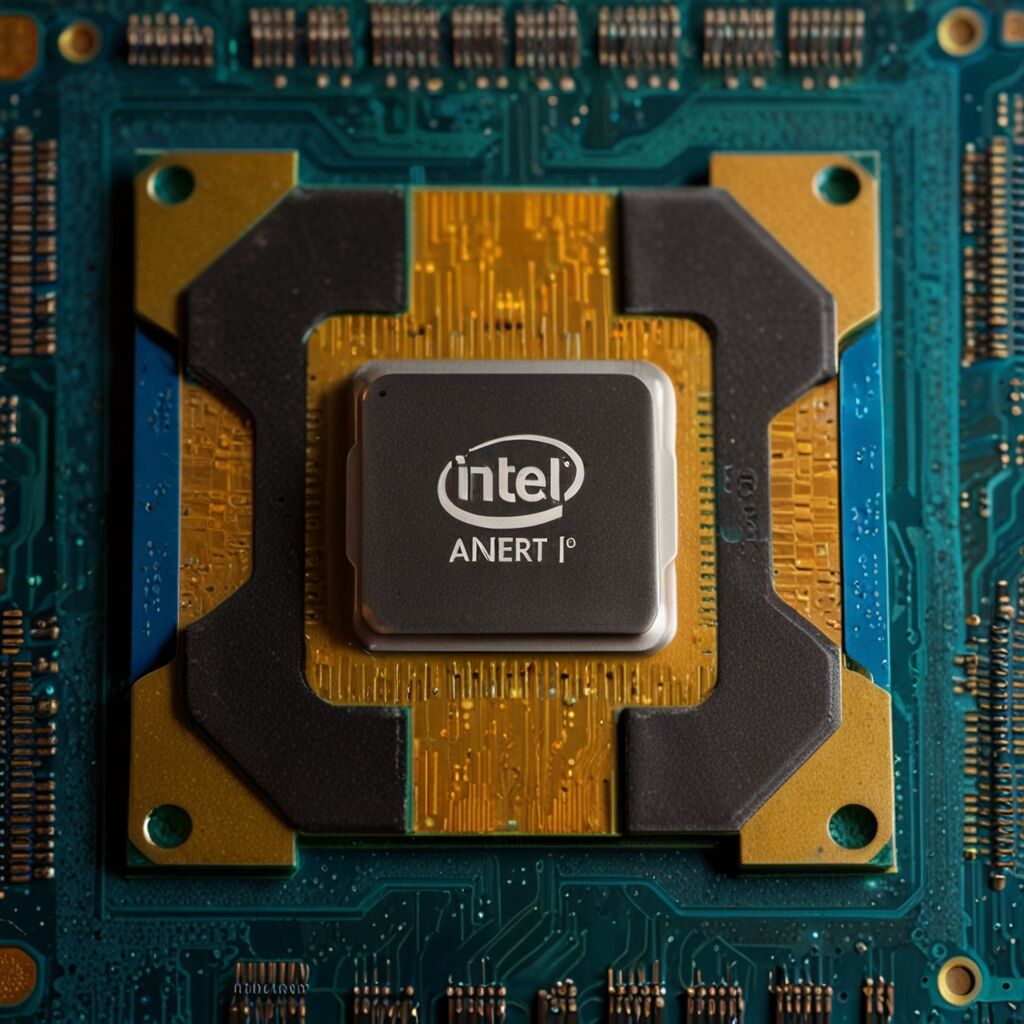
Performance Analysis Against Older Memory Generations
DDR4 3000 delivers roughly double the bandwidth of DDR3-1600, significantly improving data transfer rates between CPU and memory. Despite higher CAS latency numbers, actual latency in nanoseconds often matches or beats DDR3 due to the higher operating frequency. Laptop users particularly benefit from DDR4’s lower power consumption, which can extend battery life during normal use.
Detailed Insights on Memory Performance Improvements
Synthetic benchmarks consistently show DDR4 3000 outperforming DDR3-1600 by substantial margins in bandwidth-sensitive tests. Games that utilize large amounts of memory for textures and assets load noticeably faster, while applications like databases benefit from improved random access performance. The performance delta varies by specific workload but is generally most apparent in modern, memory-hungry applications.
DDR4 3000 Impact on Different Workloads
Content creators working with high-resolution video often see reduced preview generation times in applications like After Effects. Software developers report faster compilation times for large projects, particularly those involving extensive linking operations. Virtual machine users can run more concurrent instances smoothly thanks to the increased bandwidth and capacity options. The advanced architecture of DDR4 includes features designed to minimize latency and enhance overall user experience, providing great advantages in modern computing.
Key Numerical Highlights of Advanced Memory Technology
- DDR4 3000 memory operates at a standard speed of 3000 MT/s
- Operating voltage is typically 1.2V for standard DDR4 modules
- Common latency ratings range from CL15 to CL18 for DDR4 3000
- Module capacities commonly available include 4GB, 8GB, 16GB, and 32GB
- Most modern motherboards provide four DIMM slots for memory expansion
- Dual-channel configuration requires installing modules in pairs
- DDR4 technology has been mainstream since approximately 2014-2015
Significance of CES 2014 for Memory Technology
CES 2014 marked a pivotal moment when major memory manufacturers showcased production-ready DDR4 modules, signaling the industry’s transition from DDR3. The move to lower voltage operation promised significant power savings for data centers and mobile devices. Crucial’s demonstration of DDR4 3000 samples showed that high-performance options would be available from launch, not just conservative speeds.
Key Memory Innovations Shown at CES 2014
Multiple manufacturers displayed working DDR4 samples at CES 2014, with speeds ranging from basic 2133 MT/s to enthusiast-grade 3000+ MT/s modules. The show highlighted advancements in manufacturing processes that enabled higher density chips while maintaining reliability. Several companies also previewed aesthetic enhancements like LED lighting that would become popular in gaming-oriented memory.
DDR4 Market Impact and Adoption Timeline
Intel’s Haswell-E platform became the first consumer platform supporting DDR4 in late 2014, followed by mainstream adoption with Skylake in 2015. Initial pricing was notably higher than DDR3, but costs decreased steadily as production ramped up. By 2016-2017, DDR4 had become the standard for new systems, with DDR3 relegated mainly to budget and legacy builds.
Crucial’s Impact and Presence in the Memory Market
Crucial holds a significant position in the memory market through competitive pricing and direct sales model that often undercuts traditional retail channels. As the consumer brand of Micron Technology, one of the world’s largest memory manufacturers, Crucial benefits from vertical integration and consistent chip supply. The Ballistix gaming line competes directly with enthusiast brands while maintaining attractive price points.
The Role of Crucial in Shaping Memory Technology
Micron Technology’s manufacturing capabilities give Crucial direct access to high-quality memory chips without relying on third-party suppliers. Crucial pioneered user-friendly system scanning tools that help consumers identify compatible memory upgrades, reducing confusion and returns. Their comprehensive testing procedures and lifetime warranty have established a reputation for reliability in the market.
Crucial’s Competitive Advantages in DDR4 Market
Direct manufacturing relationships allow Crucial to select premium chips for their performance-oriented Ballistix series while maintaining competitive pricing. Their extensive compatibility testing covers thousands of system configurations, providing buyers confidence in their purchases. The combination of aggressive pricing, reliable performance, and strong warranty support has made Crucial a popular choice for both enthusiasts and mainstream users.
Advantages of Cutting-Edge Memory Solutions
- Higher bandwidth enables faster data transfer between CPU and memory
- Improved multitasking performance when running multiple applications
- Enhanced gaming experience with more consistent frame rates
- Lower power consumption compared to previous generation memory
- Better thermal characteristics reduce system cooling requirements
- Wide compatibility with modern Intel and AMD platforms
- Capacity options suitable for various user needs and budgets
User Reviews and Experiences with DDR4 3000 Memory
User reviews across major retailers rate Crucial DDR4 3000 memory positively, with many noting performance improvements over older memory types. Common feedback includes improved gaming performance, faster application loading, and better system responsiveness. Some users note that enabling XMP/DOCP profiles requires BIOS access, which can intimidate less technical users. The DDR4 3000 memory offers excellent performance and reliability for various applications.
Performance Comparisons with Other Memory Brands
Independent testing shows Crucial DDR4 3000 performing comparably to alternatives from brands like Corsair and G.Skill at competitive pricing. Some premium brands may offer slightly tighter timings or better overclocking potential, but the real-world difference is often minimal for most users. Kingston and other value-oriented brands provide similar specifications but may lack Crucial’s extensive compatibility testing. Many reviews indicate that Crucial memory provides optimal price-to-performance ratio. Users especially appreciate how it enhances gaming experiences and improves multitasking efficiency.
Real-World DDR4 3000 Performance Scenarios
Users streaming gameplay while recording often report fewer dropped frames and smoother performance with DDR4 3000 compared to slower memory. Heavy browser users with numerous tabs notice improved responsiveness when switching between tabs or loading complex websites. Creative professionals working with large image files in Photoshop or video projects in Premiere Pro frequently cite faster filter application and timeline scrubbing.
Future Trends in Memory Technology Post CES 2014
DDR5 technology, standardized in 2020, promises even higher speeds starting at 4800 MT/s and potentially reaching much higher frequencies. The new standard introduces features like on-die error correction and improved power management at lower voltages. Server platforms began adopting DDR5 in 2021-2022, with consumer platforms following as costs decrease and availability improves.
Key Features of DDR5 Memory Technology
DDR5 implements significant architectural changes including dual 32-bit channels per module for improved efficiency and on-die ECC for better reliability. Starting capacities reach higher densities than DDR4, with individual modules potentially offering much larger capacities. The lower operating voltage combined with improved power management features promises better efficiency for mobile and server applications. DDR5 memory technology introduces impressive enhancements for next-generation computing. Users can experience excellent performance in gaming and professional applications.
DDR4 3000 Remains Relevant Through 2025
DDR4 3000 continues to provide excellent performance for most users, offering a sweet spot between speed and cost. Many applications show diminishing returns beyond 3000 MT/s due to other system bottlenecks, making faster memory unnecessary for typical use cases. The mature DDR4 ecosystem ensures wide availability and competitive pricing, keeping it viable for new builds even as DDR5 emerges.
Brands and Users Who Benefit from Modern Memory Innovations
- Crucial memory includes warranty support and compatibility testing
- G.Skill targets enthusiasts with high-performance options and RGB lighting features
- Corsair offers a wide range from budget to premium with consistent quality
- Kingston focuses on value-oriented solutions popular with system builders
- Higher bandwidth accelerates video and image processing
- Gamers achieve smoother gameplay and reduced stuttering
- System responsiveness and multitasking improve noticeably
Summary of Key Insights on Crucial DDR4 Memory
Crucial DDR4 3000 memory delivers approximately 24 GB/s bandwidth with pricing varying by market conditions while operating at just 1.2V. The modules work with hundreds of tested motherboards and require DDR4-compatible systems with appropriate BIOS configuration for rated speeds. Users consistently report noticeable improvements in gaming smoothness according to hardware review aggregations, application responsiveness, and content creation workflows when upgrading from DDR3. This memory showcased at CES 2014 offers essential features for modern systems.
Understanding Performance Metrics of Crucial DDR4 Memory
Real-world testing confirms DDR4 3000 provides substantial bandwidth improvements over DDR3-1600, with actual performance gains varying by application. Gaming benefits include more consistent frame delivery and reduced stuttering, while productivity applications show faster file operations and improved multitasking. Current market pricing makes DDR4 3000 an excellent balance of performance and value for most users, though specific needs should guide capacity and timing choices. The memory enables fast data speeds ideal for modern computing. For detailed comparisons and benchmarks, performance results in both gaming scenarios demonstrate clear advantages.
Making the Right DDR4 3000 Purchase Decision
Budget-conscious builders should prioritize dual-channel kits (2x8GB or 2x16GB) for optimal performance per dollar. Enthusiasts may benefit from modules with tighter timings (CL15 vs CL16-18), though the real-world difference is often modest. Always verify motherboard compatibility through manufacturer QVL lists or Crucial’s system scanner tool before purchasing to ensure smooth installation and operation.