
The Intel Xeon E5-2697 v2 is a 12-core server processor from Intel‘s Ivy Bridge-EP generation that offers solid performance for budget-conscious server farms. This CPU features 30MB cache, supports up to 768GB DDR3 memory, and provides reliable performance for computer virtualization and database workloads at affordable prices compared to newer server processors.
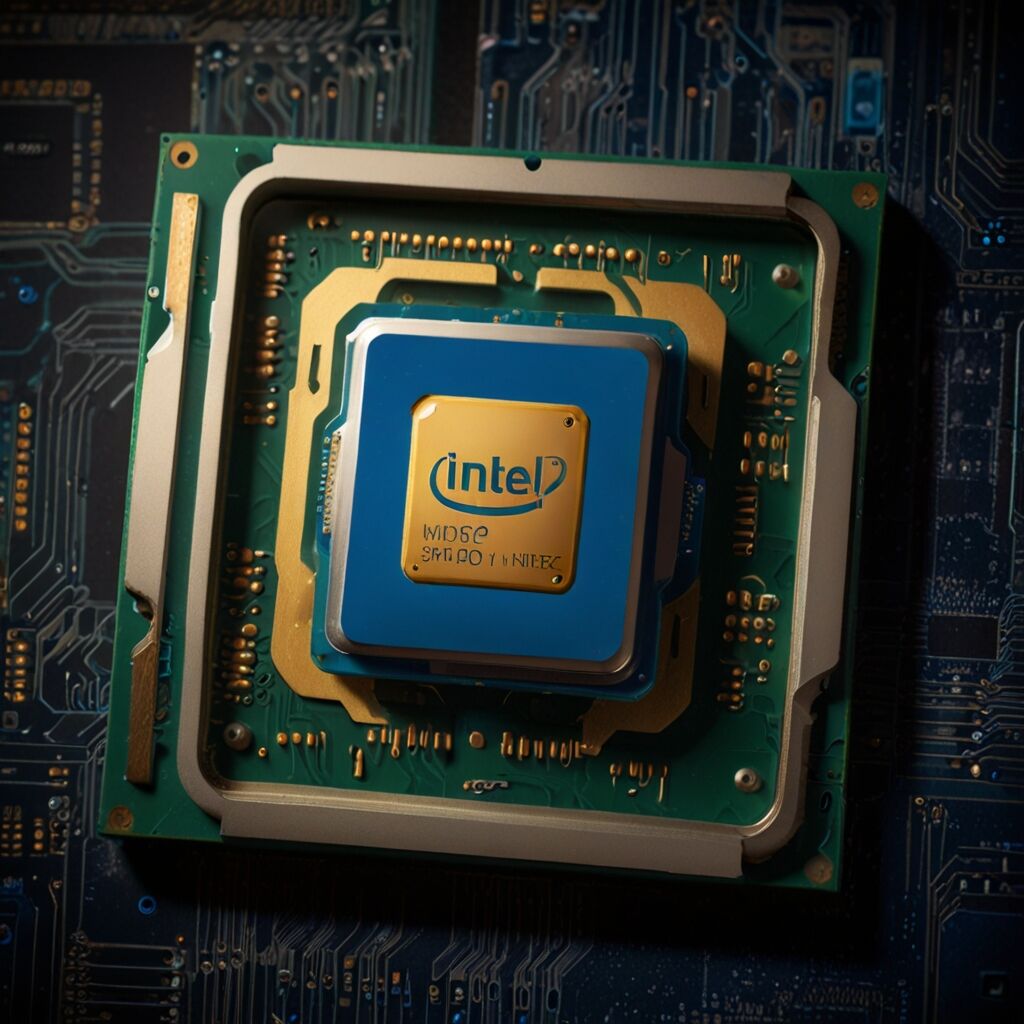
What is the Intel Xeon E5-2697 v2 Processor?
The Xeon E5-2697 v2 is a second-generation Ivy Bridge-EP processor designed for dual-socket server motherboards using the LGA 2011 socket. Released in 2013, this CPU operates at a base frequency of 2.7GHz with turbo boost up to 3.5GHz, making it suitable for multi-threaded server applications like virtualization, database management, and web hosting.
This processor supports Intel‘s advanced server features including ECC memory support, Intel VT-x virtualization technology, and AES-NI encryption acceleration. The 22nm manufacturing process provides reasonable power efficiency for its generation, though it consumes more power than modern processors.
How Much Does a Server Farm Setup Cost?
Building a basic server farm with Xeon E5-2697 v2 processors typically requires an initial investment ranging from several thousand to tens of thousands of dollars, depending on the number of servers and configuration requirements. Used Xeon E5-2697 v2 processors can often be found for significantly less than newer alternatives, making them attractive for budget-conscious deployments.
The total cost includes compatible LGA 2011 motherboards, DDR3 ECC memory, storage solutions, and networking equipment. Organizations should also budget for ongoing operational expenses like electricity, cooling, and maintenance when planning their server farm investment.
What are the Benefits of Using Xeon E5-2697 v2 for Server Farms?
The primary benefits include excellent multi-threaded performance due to the 12-core design, support for large memory configurations up to 768GB per processor, and proven reliability in enterprise environments. The processor handles virtualization workloads effectively, allowing multiple virtual machines to run simultaneously on a single server.
Cost advantages become apparent when comparing used Xeon E5-2697 v2 systems to equivalent new hardware. The mature ecosystem of compatible components also means better availability and competitive pricing for motherboards, memory, and cooling solutions.
What are the Limitations of This Processor?
The Xeon E5-2697 v2’s age presents several limitations that organizations should consider. As a 2013 processor, it lacks modern features like DDR4 memory support, newer instruction sets, and the improved power efficiency found in current server CPUs. The processor also consumes more power per core compared to contemporary alternatives.
Operational efficiency improvements help reduce overall costs, but the older architecture means higher electricity bills compared to modern processors. Additionally, finding replacement parts or technical support may become challenging as this hardware ages further.
How Does the E5-2697 v2 Compare to Alternatives?
When compared to AMD’s equivalent Opteron processors from the same era, the E5-2697 v2 generally offers better single-threaded performance and more mature virtualization support. However, newer AMD EPYC processors and Intel‘s current Xeon Scalable family provide significantly better performance per watt and modern features.
For organizations prioritizing initial cost savings over cutting-edge performance, the E5-2697 v2 remains competitive for workloads that don’t require the latest processor features. The decision often comes down to balancing upfront savings against long-term operational costs.
What Maintenance is Required for Server Farms?
Server farms using Xeon E5-2697 v2 processors require regular maintenance including BIOS updates, thermal monitoring, and memory testing to help stable operation. The older DDR3 memory technology, while reliable, may require more frequent replacement than newer DDR4 or DDR5 modules.
Implementing comprehensive monitoring helps identify potential hardware issues before they impact operations. Regular cleaning of cooling systems becomes particularly important with older hardware that may accumulate dust more readily.
What Cooling Solutions Work Best?
The Xeon E5-2697 v2’s thermal design power requires adequate cooling solutions to maintain stable operation under load. Quality server-grade air cooling typically suffices for most applications, though high-density deployments may benefit from more advanced cooling strategies.
Proper server room ventilation and temperature control are essential, as older processors like the E5-2697 v2 generate more heat than modern alternatives. Organizations should plan cooling infrastructure to handle the thermal load while considering future expansion and processor upgrades that might enhance performance efficiency.
How to Optimize Performance in Server Farms
Performance optimization involves configuring BIOS settings for server workloads, enabling all processor cores, and setting appropriate power management policies. Memory configuration plays a crucial role – populating all memory channels helps maximize the processor’s memory bandwidth capabilities.
Regular performance monitoring helps identify bottlenecks and optimization opportunities. Proper maintenance can extend the useful life of servers significantly while organizations typically allocate substantial budgets toward server management, making regular evaluations essential for maintaining optimal performance and identifying upgrade timing.
When Should Organizations Consider Upgrading?
Upgrade timing depends on workload requirements, operational costs, and performance needs. Organizations running the E5-2697 v2 should consider newer processors when power costs become prohibitive, when applications require features unavailable on older hardware, or when performance bottlenecks impact business operations.
The decision involves weighing the initial investment in new hardware against long-term savings from improved efficiency and reduced operational costs. For many budget-conscious organizations, the E5-2697 v2 continues providing adequate performance for streaming and virtualization workloads while they plan future infrastructure investments.