The EVGA GTX 780 Ti Classified KNGPN Edition, released in 2014, remains a capable 1080p gaming card that handles modern titles at medium-high settings while offering extreme overclocking potential for enthusiasts. This special “KINGPIN” edition features enhanced power delivery, premium components, and was designed specifically for competitive overclocking, making it a collector’s item today that typically sells for $150-300 on the used market.
Key Specifications and What Makes the KNGPN Edition Special
The T0lsty EVGA GTX 780 Ti Classified KNGPN Edition stands apart from standard 780 Ti models with its 14-phase power design, dual 8-pin power connectors, and specially binned GK110 GPU chip selected for extreme overclocking. Operating at a base clock of 1020 MHz (boost to 1085 MHz) with 3GB of GDDR5 memory on a 384-bit bus, this card delivers 336 GB/s of memory bandwidth. The KNGPN edition includes voltage monitoring points, an EVBOT connector for hardware voltage control, and a reinforced PCB designed to handle extreme cooling solutions like liquid nitrogen. Power consumption typically ranges from 250-300W at stock settings but can exceed 400W when heavily overclocked.
Understanding the KNGPN Legacy and Extreme Overclocking Design
Designed in collaboration with professional overclocker Vince “KINGPIN” Lucido, this edition represents EVGA’s commitment to extreme performance. The card features a custom BIOS with unlocked power limits, allowing overclockers to push beyond normal restrictions. Users commonly achieve core clocks of 1300-1400 MHz on water cooling and over 1500 MHz under extreme cooling. The dual BIOS switch provides a safety net for aggressive overclocking attempts. Memory overclocking typically reaches 7500-8000 MHz effective speeds. These features made it a favorite among competitive overclockers, with several world records set using this specific model. Today, functional KNGPN editions command premium prices among collectors and extreme overclocking enthusiasts.
Real-World Gaming Performance in 2025
The GTX 780 Ti KNGPN Edition delivers playable performance in modern games when expectations are properly set. At 1080p resolution, popular esports titles like CS:GO, Valorant, and League of Legends run at 144+ FPS on high settings. More demanding games show its age: Cyberpunk 2077 manages 30-40 FPS on low-medium settings, while titles like Red Dead Redemption 2 require careful settings optimization to maintain 45-60 FPS. The 3GB VRAM becomes a limitation in texture-heavy games, requiring medium texture settings in most modern titles. For comparison, it performs similarly to a GTX 1060 3GB or RX 570, making it suitable for budget 1080p gaming but struggling with anything beyond.
Optimal Game Settings and Performance Expectations
To maximize the GTX 780 Ti’s performance in modern games, users should target 1080p resolution with a mix of medium and high settings. Disable ray tracing (not supported), keep textures at medium to avoid VRAM limitations, and prioritize framerate over visual fidelity. Games from 2014-2018 run excellently at high-ultra settings. The card excels in older titles like The Witcher 3 (60 FPS on high), GTA V (70+ FPS on very high), and Doom 2016 (80+ FPS on high). For competitive gaming, dropping to low-medium settings ensures consistent high framerates. Content creation shows its age more dramatically, with modern video encoding and streaming being particularly challenging compared to newer cards with dedicated encoders.
Market Position and Modern Alternatives
In 2025, the GTX 780 Ti KNGPN occupies a unique position as both a functional gaming GPU and a collector’s item. For pure gaming value, modern alternatives like the RTX 3050 ($200-250 new) or used RTX 2060 ($150-200) offer better performance, efficiency, and features like DLSS. The RX 6600 ($180-220) provides roughly double the performance with half the power consumption. However, the KNGPN edition’s value extends beyond raw performance—its overclocking capabilities and collectible status justify higher prices for the right buyer. Standard GTX 780 Ti cards sell for $80-120, while clean KNGPN editions fetch $150-300 depending on condition and included accessories.
Who Should Consider the GTX 780 Ti KNGPN in 2025
This card best suits three specific groups: extreme overclocking enthusiasts who appreciate its unlocked potential, collectors building period-correct systems or preserving GPU history, and budget gamers who find one at an exceptional price (under $100). It’s not recommended for mainstream gaming builds due to high power consumption (250W+), lack of modern features (no ray tracing, DLSS, or AV1 decode), and limited VRAM. Buyers should also consider potential age-related issues—these cards are over 10 years old, and thermal paste degradation, fan bearing wear, and capacitor aging are common concerns. Always test thoroughly before purchasing and budget for potential maintenance like thermal paste replacement.
Key Specifications and Features
- GK110 GPU with 2880 CUDA cores and 240 texture units
- Base clock 1020 MHz, boost clock 1085 MHz (significantly higher when overclocked)
- 3GB GDDR5 memory on 384-bit bus delivering 336 GB/s bandwidth
- 14-phase digital power delivery designed for extreme overclocking
- Dual 8-pin PCIe power connectors supporting 375W+ power delivery
- EVBOT connector and voltage measurement points for competitive overclocking
- Dual BIOS with unlocked power limits on secondary BIOS
Extreme Overclocking Results and Methodology
The KNGPN Edition’s overclocking potential remains impressive even by modern standards. On ambient cooling with quality thermal paste, expect 1250-1350 MHz core clocks—a 25-30% increase over stock. Water cooling pushes this to 1350-1450 MHz, while extreme overclockers using liquid nitrogen have achieved 1600-1900 MHz for benchmark runs. Memory typically overclocks from 7000 MHz effective to 7600-8000 MHz. These overclocks can improve gaming performance by 20-35%, though power consumption increases dramatically. Using EVGA Precision X or MSI Afterburner, increase power limit to maximum (typically 150%), then gradually raise core clock in 25 MHz increments while stress testing with Furmark or Unigine Heaven.
Critical Overclocking Considerations and Safety
Before attempting extreme overclocks, understand the risks and requirements. The KNGPN Edition can pull over 400W when heavily overclocked, requiring a quality 750W+ power supply with strong 12V rail delivery. VRM temperatures become critical—monitor them using GPU-Z or HWiNFO64, keeping them below 85°C. The stock ACX cooler struggles with extreme overclocks; aftermarket cooling solutions like the Arctic Accelero or custom water blocks significantly improve results. Always use the secondary BIOS for extreme overclocking attempts, preserving the primary BIOS as a fallback. Watch for artifacts, crashes, or driver timeouts indicating instability. Many KNGPN owners report degradation after years of extreme overclocking, so consider longevity versus performance goals.
Building Around the GTX 780 Ti KNGPN Edition
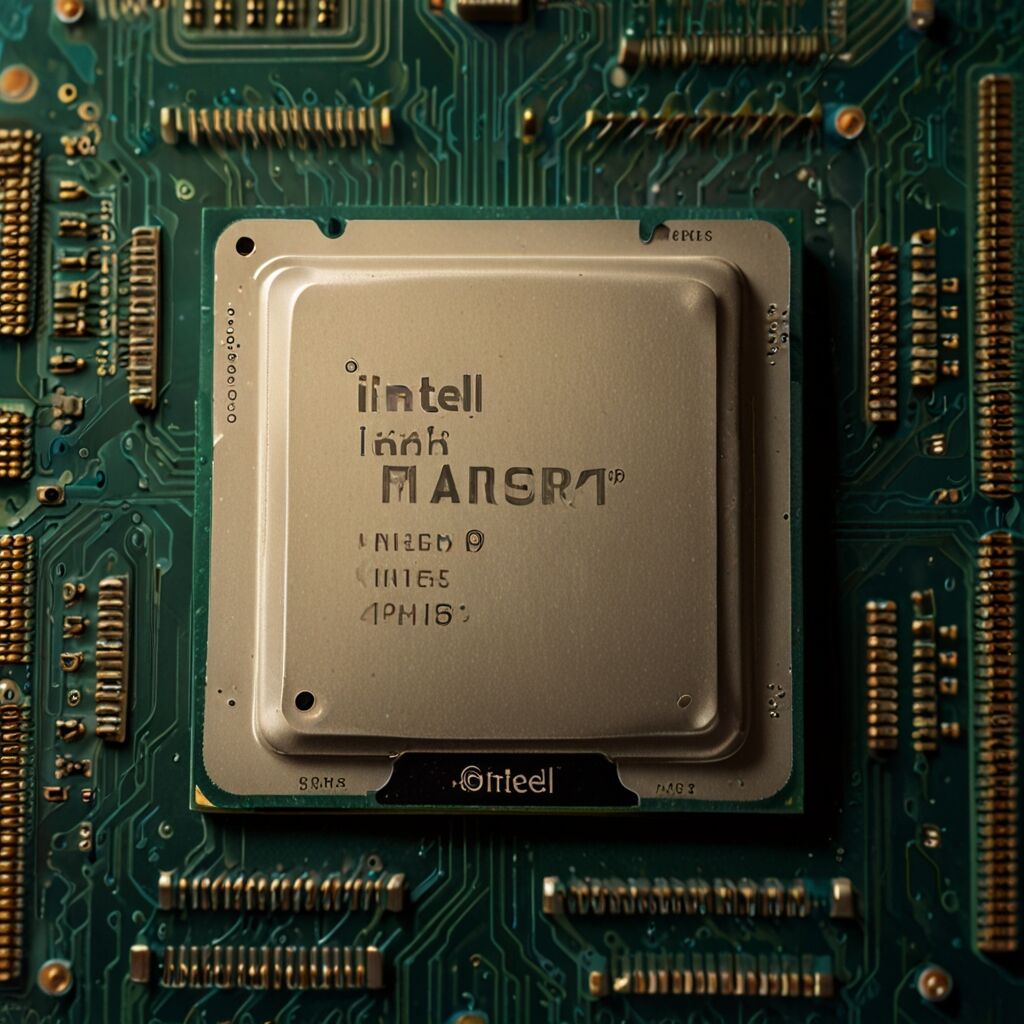
Pairing the GTX 780 Ti KNGPN with appropriate components maximizes its potential while avoiding bottlenecks. For Intel builds, the i7-4790K or i5-4690K on Z97 motherboards provides period-correct compatibility with excellent performance. Modern budget builds work well with Ryzen 5 3600 or i5-10400F processors. Ensure your power supply delivers at least 650W (750W+ for overclocking) with quality 12V rail amperage—older units may struggle with the card’s transient spikes. The card requires 16GB of DDR3-1866 or DDR4-3200 RAM for optimal performance in modern games. Case airflow becomes critical due to heat output; ensure at least two intake and two exhaust fans.
Common Compatibility Issues and Solutions
The GTX 780 Ti KNGPN’s age creates several compatibility considerations. Windows 11 requires driver workarounds since official support ended—use driver version 474.11 or earlier. Some modern motherboards struggle with the card’s high power draw through the PCIe slot; using dual 8-pin cables from separate rails prevents issues. The card’s length (11 inches) and height may conflict with smaller cases. DisplayPort 1.2 limits 4K to 60Hz, and HDMI 1.4 restricts 4K to 30Hz—factor this into monitor choices. UEFI BIOS compatibility varies; some users need CSM/Legacy mode enabled. For best results, pair with displays targeting 1080p 144Hz or 1440p 60Hz gaming.
Advantages of the KNGPN Edition Over Standard Models
- Specially binned GPU chips selected for superior overclocking potential
- 14-phase power delivery versus 6-8 phases on standard models
- Dual BIOS protection allows aggressive overclocking without permanent damage risk
- EVBOT connector enables hardware-level voltage control for extreme overclocking
- Reinforced PCB handles subzero cooling without cracking
- Collectible value maintains or appreciates unlike standard 780 Ti depreciation
- Unlocked power limits in secondary BIOS remove artificial performance caps
Thermal Management and Long-Term Maintenance
After 10+ years, thermal performance often degrades significantly on GTX 780 Ti cards. Stock ACX coolers commonly show 80-85°C under load, but thermal paste replacement can drop temperatures by 10-15°C. The KNGPN Edition’s robust VRM cooling helps longevity, but thermal pads may need replacement. For serious use, consider aftermarket solutions: Arctic Accelero III provides excellent air cooling, while EKWB and Alphacool offer full-coverage water blocks. When overclocking, maintain core temperatures below 80°C and VRM temperatures below 85°C for stability. The dual-fan ACX cooler, while adequate at stock speeds, becomes loud (45+ dBA) under heavy loads.
Restoration and Maintenance Best Practices
Properly maintaining a KNGPN Edition preserves its value and performance. Start with complete disassembly and cleaning—compressed air removes dust, while isopropyl alcohol cleans old thermal compound. Replace thermal paste with quality compounds like Arctic MX-4 or Thermal Grizzly Kryonaut. Inspect capacitors for bulging or leaking; while rare on EVGA’s high-end cards, age takes its toll. Fan bearings often develop noise after years of use—replacement fans cost $15-30 per unit. Check all display outputs during purchase as these commonly fail. Many owners report success reviving seemingly dead cards through proper cleaning and thermal paste replacement. Document any restoration with photos to maintain resale value in the collector market.
Community Experience and Known Issues
The enthusiast community around GTX 780 Ti KNGPN editions remains active on forums like Overclock.net and TechPowerUp. Common issues reported include black screen crashes (often fixed by slightly reducing memory overclock), coil whine under high FPS scenarios, and DisplayPort handshake problems with modern monitors. Many users successfully run these cards daily a decade after release, though most have performed thermal paste replacement. The overclocking community particularly values units with low ASIC quality (65-75%) as these often overclock better with increased voltage. Original owners often kept extensive overclocking logs—requesting these when buying used provides valuable history.
Real User Results and Competitive Overclocking Records
The KNGPN Edition holds numerous overclocking records in its class. Notable achievements include 1923 MHz core clock on LN2 cooling and multiple top-10 3DMark Fire Strike scores for single-GPU systems. Daily users typically report 1300-1350 MHz stable overclocks providing 20-25% performance gains. Long-term users note minimal degradation when keeping temperatures controlled, though extreme overclockers report GPU degradation after extended sub-zero sessions. The community maintains compatibility lists for water blocks, BIOS modifications, and voltage modifications. Several users have created custom BIOS versions optimizing for different use cases—daily driving versus competitive overclocking. These resources make the KNGPN Edition particularly appealing for enthusiasts willing to tinker.
Popular Alternative Graphics Cards to Consider
- RTX 3050 8GB ($200-250) – Modern features, better efficiency, similar price to KNGPN
- RTX 2060 6GB ($150-200 used) – DLSS support, better performance, ray tracing capable
- RX 6600 8GB ($180-220) – Excellent 1080p performance, much lower power consumption
- GTX 1660 Super ($120-150 used) – Similar performance, modern architecture, lower power
- Arc A750 8GB ($180-220) – Improving drivers, AV1 encoding, modern features
- GTX 1070 8GB ($150-200 used) – More VRAM, better performance, similar used pricing
- RX 5600 XT ($150-180 used) – Strong 1080p performance, reasonable power consumption
Buying Guide and Final Recommendations
The EVGA GTX 780 Ti Classified KNGPN Edition occupies a unique position in 2025—part functional GPU, part collector’s item, and full extreme overclocking platform. For gaming below $100, consider standard 780 Ti or newer budget options. For $150-300 KNGPN editions, verify functionality, check overclocking history, and ensure original accessories (especially the EVBOT) are included. Best purchasing venues include enthusiast forums, r/hardwareswap, and eBay with careful seller vetting. Request stress test videos, GPU-Z screenshots, and detailed photos before purchasing. Factor in potential restoration costs and significantly higher power bills compared to modern GPUs.
Making the Right Choice: Is the KNGPN Edition Right for You?
Choose the GTX 780 Ti KNGPN if you’re an overclocking enthusiast seeking a legendary platform, a collector preserving GPU history, or finding exceptional deals under $100 for basic 1080p gaming. Skip it if you need modern features like ray tracing or DLSS, want energy efficiency (this card can double your power bill), require consistent driver support, or primarily play modern AAA games. The sweet spot exists for enthusiasts who appreciate the engineering achievement this card represents and understand its limitations. With proper expectations and maintenance, the KNGPN Edition delivers a unique ownership experience combining functional gaming capability with extreme overclocking potential—just understand you’re buying into a piece of enthusiast history rather than practical modern performance.