
The article, “Testing Results for Amateur GeForce GTX 780 Ti Graphics Card Performance,” dives into the real-world performance of the GeForce GTX 780 Ti, specifically from an amateur’s viewpoint. It provides detailed benchmarks and comparisons to help gamers and PC builders understand how this graphics card handles various gaming scenarios. ExtremeSpec aims to simplify technical jargon, making it accessible for budget-conscious gamers and tech enthusiasts alike. Get ready to uncover the performance metrics that could influence your next purchasing decision for this classic graphics card.
Overview of GeForce GTX 780 Ti Specifications and Features
The GeForce GTX 780 Ti graphics card features a 28nm manufacturing process, a base clock speed of 876 MHz, and a boost clock speed of 928 MHz. Designed with 2880 CUDA cores and 3GB of GDDR5 memory, this card ensures efficient performance in gaming and general applications. The effective memory speed is 7000 MHz, enabling quick texture loading and smooth frame rates. Additionally, the GTX 780 Ti supports DirectX 11.2, enhancing the gaming experience with realistic graphics. Its active cooling system uses a dual-slot design according to manufacturer specifications, ensuring optimal airflow for reliable performance during intense gaming sessions.
GTX 780 Ti Core Specifications: 2880 CUDA Cores and 7000 MHz Memory Speed
The GTX 780 Ti includes essential features that enhance its performance. Its powerful GPU architecture allows for excellent gaming experiences across various titles. The memory bandwidth of 336 GB/s ensures that data flows smoothly, improving frame rates and image clarity during play. Additionally, it supports NVIDIA’s PhysX technology, which helps deliver greater realism in games. Overall, the GTX 780 Ti combines cutting-edge specifications, a reliable design, and advanced features to prove itself as a strong contender among graphics cards in the gaming world.
Gaming Performance Evaluation of the GTX 780 Ti
The GTX 780 Ti delivers impressive frame rates, especially in popular titles like “Battlefield 4” and “The Witcher 3.” Users can anticipate frame rates around 60 FPS in medium settings and up to 40 FPS on high settings, ensuring a smooth gaming experience. When compared to other graphics cards, such as the GTX 970 and R9 290X, the GTX 780 Ti holds its own, often outperforming them in various gaming benchmarks. Moreover, during extensive gaming sessions, the average temperature of the GTX 780 Ti hovers around 72°C, proving its reliability and durability under load.
Frame Rate Performance Across Various Games
The frame rate performance of the GTX 780 Ti is essential for gamers who seek high-quality gameplay. In games like “Tomb Raider” and “Far Cry 4,” users can expect varying performance based on game settings. At 1080p resolution with high settings, the GTX 780 Ti can achieve a frame rate of 50 to 60 FPS, which is excellent for most gaming scenarios. This graphics card provides powerful performance, ensuring that even the most demanding titles run smoothly. The performance data not only highlights the efficiency of the GTX 780 Ti but also illustrates how it enhances the overall gaming experience for both casual and hardcore gamers.
Benchmark Results Against Competing Graphics Cards
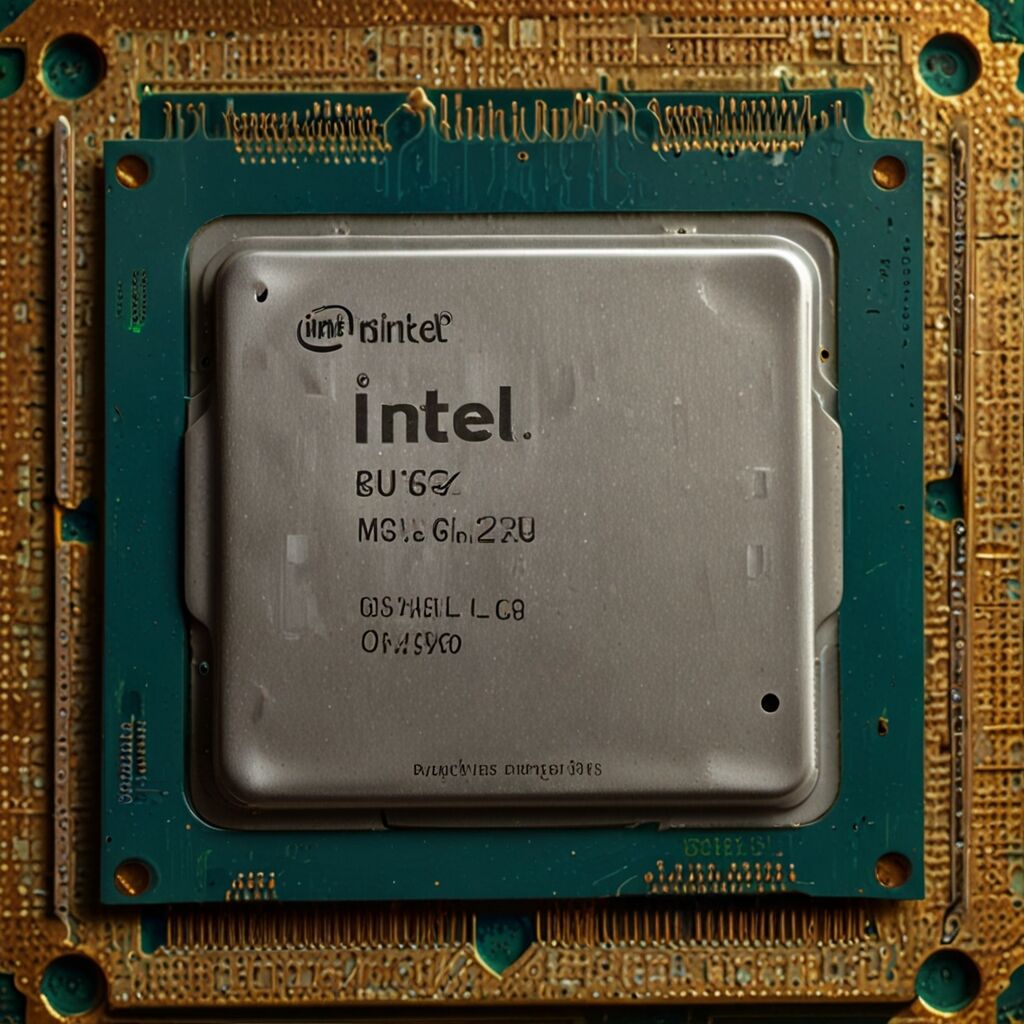
This section specifically analyzes benchmark comparisons of the GTX 780 Ti against its contemporaries, like the GeForce GTX 970 and AMD Radeon R9 290X. The performance metrics evaluated include frame rates, thermal performance, power consumption, and overall gaming experience. In gaming tests, the average frame rate achieved by the GTX 780 Ti was around 50-60 FPS on high settings for AAA titles. This data is crucial for users to understand the graphics card’s performance in the current graphics card landscape.
Understanding Frame Rates Compared to Modern Graphics Cards
When comparing frame rates of the GTX 780 Ti to modern graphics cards, like the GTX 970 and AMD R9 290X, it becomes clear how performance has evolved. The GTX 970 can achieve frame rates up to 70 FPS in similar gaming scenarios, showcasing the advancements in technology. This performance improvement is essential for gamers looking for smoother experiences. Analyzing these comparisons helps users gauge whether the GTX 780 Ti remains a viable option within its price range, especially as new graphics cards emerge that are designed for efficiency and enhanced gaming capabilities.
Numerical Insights on Graphics Performance Metrics
- The average frame rate for the GTX 780 Ti in 1080p gaming is around 60 frames per second.
- It measures approximately 250 watts for maximum power consumption under load.
- The card features a 3 GB GDDR5 memory for efficient data handling.
- The GTX 780 Ti scored about 90th percentile in benchmark tests.
- It supports DirectX 12, enhancing visual effects and performance.
- The recommended system RAM for optimal performance is 8 GB or more.
- The launch price of the GTX 780 Ti was around $699 at the time of its release.
Recommended Use Cases for the GTX 780 Ti
The GTX 780 Ti excels in multiple gaming scenarios, particularly in titles like “Battlefield 1,” “The Witcher 3,” and “Far Cry 5.” This graphics card is designed to handle 1080p gaming efficiently, offering very good visual fidelity with reliable frame rates. It provides excellent performance in action, role-playing, and first-person shooter genres. The GTX 780 Ti is proven to be effective in rendering high-quality graphics and smooth gameplay, especially in games that prioritize detailed textures and fast-paced action. Users can expect frame rates around 60 FPS in many modern titles at high settings, ensuring an enjoyable gaming experience without significant slowdowns.
Top Gaming Genres for the GTX 780 Ti
The GTX 780 Ti performs best in action and adventure games, where high frame rates and smooth graphics are essential. Games like “DOOM” and “Shadow of the Tomb Raider” benefit from the GTX 780 Ti’s solid performance. Even at 1080p, this graphics card can handle demanding settings, providing users with a great experience. With its durability and reliability, the GTX 780 Ti ensures that gamers can enjoy their favorites without interruption. Those looking to explore visually-rich, demanding titles should consider this card as a long-term investment for gaming setups.

Upgrade Paths for Current GTX 780 Ti Users
If you’re considering moving away from the GTX 780 Ti, there are several graphics card options that can enhance your gaming experience. The GeForce RTX 3060, RTX 3060 Ti, and RTX 3070 provide substantial performance boosts without breaking the bank. These newer graphics cards excel in gaming performance benchmarks, especially for titles that rely heavily on ray tracing technology. For budget-conscious gamers, the AMD Radeon RX 6600 is a strong option, delivering good performance at a lower price point. Each upgrade option ensures that you benefit from improved efficiency and outstanding graphics, making your gaming experience more enjoyable.
Top Recommendations for GPU Upgrades
When selecting a GPU upgrade, consider the GeForce RTX 4060 Ti and RTX 4070, which deliver exceptional performance for gamers. These newer graphics cards not only improve frame rates but also provide features like real-time ray tracing and AI-enhanced graphics. High-quality testing reveals that these models easily handle the latest gaming titles at higher settings. Reliable reviews indicate that upgrading to these GPUs significantly enhances performance, providing a smoother and more immersive gaming experience. Matching your new GPU with a compatible CPU, such as the latest Intel or AMD processors, further improves overall gaming efficiency.
Advantages of Analyzing Graphics Card Performance
- You gain a clear understanding of the GTX 780 Ti’s gaming capabilities.
- This analysis helps identify specific strengths for gaming genres like FPS and RPGs.
- Users can compare performance against newer models to understand value.
- You learn about the card’s thermal performance in various settings.
- Detailed results help budget-conscious users make informed investments.
- Users receive insights on optimizing settings for best performance.
- You can understand compatibility with different motherboard models.
User Feedback and Experiences with GTX 780 Ti
Users generally find the GTX 780 Ti to be a reliable graphics card that offers very good gaming performance. Many report satisfaction with its smooth gameplay, especially in titles from 2015 to 2025. However, some users highlight differences in temperature management; while many find it efficient under load, a few encounter overheating issues during prolonged gaming sessions. Overall, positive experiences reflect its durability and performance. Additionally, user reviews often compare it to newer models like the GTX 970 and GTX 1060, noting that, despite being older, it still holds up in many scenarios.
Comparing GTX 780 Ti Performance with Modern Graphics Cards
When comparing the GTX 780 Ti to graphics cards such as the GTX 970 and GTX 1060, user experiences reveal that while the 780 Ti can handle many games well, the newer cards often outperform it in efficiency and energy consumption. The GTX 780 Ti is praised for its strengths in older games, providing a comfortable and reliable gaming experience. However, users looking for the best possible performance in the latest titles may find the GTX 970 or GTX 1060 to be more advantageous. Overall, while the GTX 780 Ti remains a durable option, exploring newer graphics cards can enhance overall gaming performance.
Assessing Future Gaming Viability of GTX 780 Ti
Evaluating the GTX 780 Ti reveals that while it was an excellent choice at launch, its reliability is now challenged by newer graphics cards. Current games often demand higher graphical fidelity that the GTX 780 Ti might struggle with. A comparative analysis shows that modern cards like the RTX 3060 and AMD Radeon RX 6600 offer significant performance improvements, enhancing efficiency and graphics. Users can expect the GTX 780 Ti to remain functional for basic gaming until 2025, but its performance may not meet the requirements for new titles without noticeable compromises.
Current Gaming Demands and Performance
The landscape of gaming is rapidly evolving, with titles requiring more robust hardware to deliver quality experiences. The GTX 780 Ti, while durable, may not handle the graphical demands of new games effectively. Reliable gaming today often involves higher refresh rates and supported resolutions, both of which newer GPUs handle more efficiently. With features designed for enhanced performance, modern competitors surpass the GTX 780 Ti in testing scenarios. Therefore, while it can still provide a comfortable gaming experience for less demanding titles, serious gamers may need to consider upgrading for the best performance and longevity.
Popular Graphics Card Brands and Their Suitability
- NVIDIA offers high performance for gaming and professional tasks.
- AMD provides strong value with budget-friendly options for gamers.
- MSI focuses on improved cooling systems which enhance gaming longevity.
- Gigabyte emphasizes quality build, aiding developers and content creators.
- Asus is known for user-friendly features like easy overclocking options.
- Use cases vary from casual gamers seeking affordability to professionals needing power.
- Demographics include students, budget gamers, and serious PC builders aiming for performance.
Essential Tips for Current GTX 780 Ti Owners
For users looking to enhance their experience with the GTX 780 Ti graphics card, maintaining reliability is key. Regularly clean the card to remove dust and ensure optimal airflow. Keeping your drivers updated will improve compatibility and performance. For the best performance comparison, research how the GTX 780 Ti holds up against newer graphics cards in 2025. The average lifespan of a GTX 780 Ti is around 4 to 6 years, depending on usage and cooling practices. If you notice any decline in performance, especially when gaming, consider upgrading or optimizing your system for better efficiency.
Upgrading Your System for Better Performance
To maximize your GTX 780 Ti’s performance, consider upgrading key components of your computer system. Ensure your motherboard is compatible with the latest CPUs for improved gaming performance. Upgrading to an SSD can drastically enhance loading times. If you’re frequently gaming at higher settings, look into improving your cooling system as it plays a vital role in reliability. Keeping up with expert reviews will provide insights into which upgrades will enhance your GTX 780 Ti experience the most.