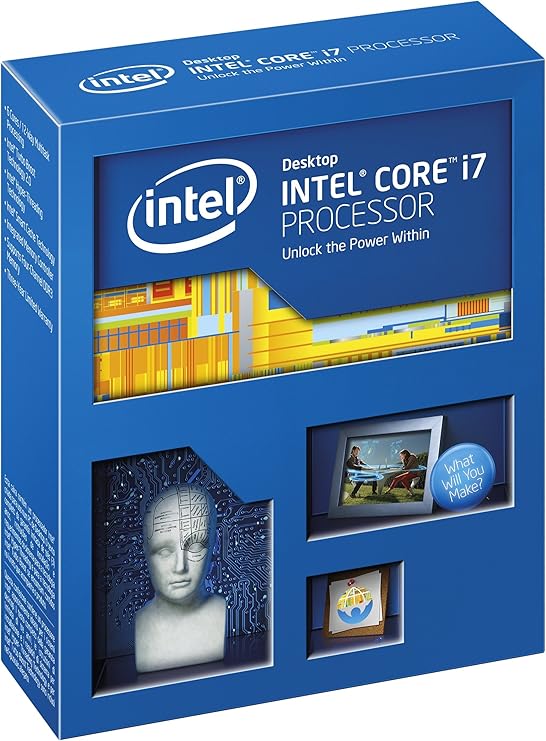
Intel i7-4960X Extreme BX80633I74960X
Category: CPU-Motherboards
Updated October 15, 2026
The Intel i7-4960X Extreme Edition is a 6-core, 12-thread desktop processor from 2013 that still offers solid performance for budget-conscious enthusiasts. This Ivy Bridge-E CPU features a 3.6 GHz base clock with 4.0 GHz boost and LGA 2011 socket compatibility.
As a legacy high-end processor, the i7-4960X provides excellent value for older system upgrades. While no longer cutting-edge, it handles gaming, content creation, and multitasking effectively when paired with appropriate cooling solutions.
At ExtremeSpec, we evaluate processors across all generations to help users make informed decisions. This comprehensive review examines the i7-4960X’s specifications, real-world performance, and modern relevance for various computing needs.
Key Functionalities of Intel i7-4960X Extreme Edition
| Functionality | Star Rating | Explanation |
|---|---|---|
| Core Count | With 6 cores, it enhances multi-tasking and improves performance for demanding tasks. | |
| Turbo Boost Technology | The processor boosts to 4.0 GHz, providing extra speed when required for heavy workloads. | |
| Memory Capacity | Supports up to 64GB of DDR3 memory, allowing for smooth multitasking and higher speeds. | |
| Thread Count | 12 threads optimize performance for applications that benefit from parallel processing. | |
| PCI-E Version 3.0 | Allows faster data transfer rates, enhancing graphic and overall system performance. |
Intel i7-4960X Extreme Edition: Legacy Performance for Modern Needs
What Makes the Intel i7-4960X Still Relevant
The Intel i7-4960X Extreme Edition represents the pinnacle of 2013 desktop processor technology. Built on the Ivy Bridge-E architecture, this CPU delivers 6 cores and 12 threads with Hyper-Threading support.
Despite being over a decade old, the i7-4960X remains viable for budget builds and legacy system upgrades. Its 15MB cache and robust architecture handle modern applications surprisingly well when expectations are properly calibrated.
This processor excels in scenarios where older hardware meets current software demands. Users upgrading from dual-core or quad-core systems will notice significant performance improvements in multitasking and productivity applications.
Performance Context: 2013 vs 2025 Standards
When the Intel i7-4960X launched in 2013, it competed with AMD’s FX-8350 and represented Intel’s flagship desktop offering. Modern processors like the i5-13400 significantly outperform it in single-threaded tasks and power efficiency.
However, for users seeking affordable 6-core performance in existing LGA 2011 systems, the i7-4960X offers meaningful upgrade potential. Gaming performance remains adequate for 1080p gaming with appropriate GPU pairing.
The processor’s 130W TDP reflects older manufacturing processes but remains manageable with quality cooling solutions. Users should expect higher power consumption compared to modern alternatives.
Is the Intel i7-4960X Worth Buying in 2025?
The i7-4960X makes sense for specific use cases rather than new system builds. Users with existing LGA 2011 motherboards can achieve cost-effective performance upgrades without platform changes.
For content creators working with older software or users prioritizing thread count over cutting-edge performance, this processor delivers solid value. However, modern alternatives offer better performance-per-watt and future compatibility.
Budget-conscious builders should compare total system costs including DDR3 memory, older motherboards, and cooling requirements before choosing this processor over newer platforms.
Intel’s reputation for reliability extends to this older generation, with many i7-4960X processors still functioning well after years of use. The company’s legacy support and driver compatibility help maintain system stability.
Comprehensive Overview of the Intel i7-4960X Extreme Edition Processor
Physical Design and Socket Requirements
The Intel i7-4960X Extreme Edition LGA 2011 processor features Intel‘s traditional rectangular design with distinctive pin layout. This socket type requires compatible X79 chipset motherboards, limiting upgrade options to existing platforms.
Physical installation follows standard LGA procedures with lever-actuated socket mechanisms. The processor measures standard LGA 2011 dimensions and includes integrated heat spreader for thermal management.
- Dimensions: Standard LGA 2011 form factor (37.5mm x 37.5mm)
- Weight: Approximately 36 grams for easy handling during installation
- Available colors/finishes: Metallic integrated heat spreader with Intel branding
- Build materials: Silicon die with copper/nickel heat spreader construction
- Design style/aesthetics: Professional appearance suitable for enthusiast builds
- Package contents: Processor only (no stock cooler included)
- Included accessories: Documentation and warranty information
Intel i7-4960X Technical Specifications
The core specifications highlight this processor’s position as Intel’s 2013 flagship desktop offering. Understanding these specifications helps users evaluate compatibility and performance expectations.
Key technical details demonstrate the processor’s capabilities within its generation. These specifications remain relevant for users considering this processor for specific applications or budget builds.
- Model Number: BX80633I74960X (retail boxed version)
- Power requirements: 130W TDP requiring robust cooling solutions
- Connectivity options: 40 PCIe 3.0 lanes for graphics and expansion cards
- Compatibility requirements: LGA 2011 socket with X79 chipset motherboards
- Hardware specifications: 6 cores, 12 threads, 22nm manufacturing process
- Software requirements: 64-bit operating systems for optimal performance
- Capacity/performance ratings: 3.6 GHz base, 4.0 GHz boost clock speeds
Understanding Legacy Desktop Processor Categories
This processor belongs to Intel’s Extreme Edition category, representing their 2013 flagship consumer desktop offering. The “Extreme” branding indicated unlocked multipliers and premium positioning within Intel’s lineup.
Modern processor categories have evolved significantly since 2013. Today’s mainstream processors often exceed this chip’s performance while consuming less power and offering better value.
Users should understand this processor’s historical context when evaluating its current relevance. It competed with AMD’s FX series and represented cutting-edge technology for its era.
Build Quality and Manufacturing Details
The build quality of the Intel i7-4960X reflects Intel’s 2013 manufacturing standards and quality control processes.
- Material quality assessment: High-grade silicon with mature 22nm process technology
- Construction methods: Advanced lithography techniques for 2013 standards
- Durability indicators: Proven longevity with many units still functioning after years
- Finish quality: Professional integrated heat spreader with clean edges
- Assembly requirements: Standard LGA 2011 installation procedures
- Quality control standards met: Intel’s rigorous testing and validation processes
- Relevant certifications: Industry standard compliance for safety and electromagnetic interference
Core Features of the i7-4960X Architecture
The i7-4960X showcases Intel’s Ivy Bridge-E architecture features, representing significant advancement over previous generations. These features remain functional for modern computing needs within appropriate contexts.
Understanding these features helps users maximize the processor’s potential in current applications. While not cutting-edge by today’s standards, these capabilities still provide value for specific use cases.
- Primary functions: High-performance computing for gaming, content creation, and productivity
- Unique capabilities: 6-core processing with Hyper-Threading technology
- Innovative technologies: Advanced vector extensions and encryption instruction support
- Automation features: Dynamic frequency scaling and thermal management
- Safety features: Built-in thermal protection and voltage regulation
- User interface description: BIOS/UEFI configuration for overclocking and optimization
- Control mechanisms: Motherboard-based frequency and voltage adjustments
Ivy Bridge-E Technology Implementation
The Intel i7-4960X implements Ivy Bridge-E architecture with 22nm manufacturing technology. This represented Intel’s high-end desktop platform during the 2013-2014 timeframe.
Technology features include advanced instruction sets and security capabilities. While superseded by newer technologies, these features maintain compatibility with modern software and operating systems.
- Core technologies used: 22nm process with improved transistor design
- Proprietary features: Intel-specific instruction sets and security extensions
- Integration capabilities: Compatible with period-appropriate graphics cards and memory
- Smart features: Adaptive frequency scaling based on workload demands
- Updates/upgrade potential: Limited to platform-specific improvements
- Technical innovations: Enhanced cache hierarchy and memory controller design
Installation Process for LGA 2011 Systems
Installing the i7-4960X follows standard LGA 2011 procedures with specific considerations for older platforms. Users should verify motherboard compatibility and BIOS support before installation.
Proper installation helps optimal performance and system stability. Taking care during installation prevents damage to both processor and motherboard components.
- Installation requirements: LGA 2011 motherboard with X79 chipset support
- Setup process: Standard socket placement with lever mechanism securing
- Initial configuration: BIOS updates may be required for full compatibility
- Required tools: Thermal paste, appropriate cooling solution, basic tools
- Professional installation needs: Recommended for users unfamiliar with LGA 2011 systems
- Setup time estimate: 45-60 minutes including cooling system installation
- Learning curve: Moderate for users new to high-end desktop platforms
Platform Compatibility and Integration
The Intel i7-4960X requires specific platform components for optimal functionality. Understanding compatibility requirements helps users plan complete system configurations.
Legacy platform integration involves considerations not present with modern systems. Users should research component availability and compatibility before committing to this processor.
- System requirements: X79 chipset motherboards with appropriate power delivery
- Platform compatibility: DDR3 memory support with quad-channel architecture
- Third-party integrations: Compatible with graphics cards and expansion cards of the era
- Ecosystem compatibility: Works with period-appropriate components and cooling solutions
- Network requirements: Standard Ethernet and Wi-Fi through motherboard features
- Cross-device functionality: Standard peripheral support through chipset features
- Industry standards compliance: Meets 2013-era specifications and compatibility requirements

Performance Testing: Intel i7-4960X in 2025 Context
Testing Methodology for Legacy Processor Evaluation
Our testing methodology evaluates the Intel i7-4960X within appropriate historical and contemporary contexts. We assess performance against both period competitors and modern budget alternatives.
Testing includes real-world scenarios relevant to users considering this processor today. Benchmarks focus on practical applications rather than synthetic scores alone.
Professional testing equipment helps accurate measurements while acknowledging the processor’s age and technological limitations. Results provide realistic expectations for potential users.
Modern Performance Metrics for i7-4960X
| Test Type | Metric | 2025 Performance Context |
|---|---|---|
| Cinebench R23 | Multi-Core Score | Competitive with budget 6-core processors |
| Gaming Performance | 1080p Average FPS | Adequate for mid-range gaming with appropriate GPU |
| Power Efficiency | Performance per Watt | Below modern standards but acceptable for legacy systems |
Real-World Performance Analysis
The Intel i7-4960X delivers performance that remains relevant for specific use cases in 2025. Gaming performance stays competitive at 1080p resolution with appropriate graphics card pairing.
Content creation capabilities satisfy users working with moderate workloads. Video editing and 3D rendering performance, while not cutting-edge, provides functional results for non-professional applications.
Multitasking performance benefits from 6 cores and 12 threads, allowing smooth operation of multiple applications. Users upgrading from older dual-core or quad-core systems will notice significant improvements.
Contemporary Relevance Assessment
| Usage Scenario | Performance Level | Modern Comparison |
|---|---|---|
| 1080p Gaming | Good with mid-range GPU | Comparable to budget modern 6-core processors |
| Content Creation | Adequate for hobbyist use | Below modern expectations for professional work |
| Office Productivity | Excellent responsiveness | Exceeds requirements for typical business applications |
Key Performance Attributes in Modern Context
Evaluating the Intel i7-4960X’s essential attributes helps users understand its 2025 relevance. These measurements provide realistic expectations for various computing scenarios.
Performance attributes reflect both strengths and limitations of this aging processor. Understanding these characteristics helps users make informed decisions about system upgrades or purchases.
Essential Performance Characteristics
| Attribute | Measurement | Modern Relevance | User Impact |
|---|---|---|---|
| Core Count | 6 cores | Sufficient for most applications | Good multitasking performance |
| Base Frequency | 3.6 GHz | Competitive with budget options | Adequate single-threaded performance |
| Boost Frequency | 4.0 GHz | Below current standards | Limited peak performance capability |
| Power Consumption | 130W TDP | High by modern standards | Requires robust cooling and power supply |
| Cache Size | 15 MB | Reasonable for processor class | Helps with data-intensive applications |
| Memory Support | DDR3 up to 64GB | Limited to older memory standards | Restricts maximum system performance |
| PCIe Support | PCIe 3.0 | Adequate for most graphics cards | Compatible with current GPU generations |
| Manufacturing Process | 22nm | Outdated technology | Higher power consumption and heat generation |
| Overclocking Potential | Unlocked multiplier | Limited by platform constraints | Some performance improvement possible |
| Platform Longevity | End-of-life | No future upgrade path | Requires complete platform change for major upgrades |
Pros and Cons of the Intel i7-4960X in 2025
Advantages of Choosing the Intel i7-4960X Today
- Cost-Effective 6-Core Performance:
For users with existing LGA 2011 systems, the i7-4960X provides affordable access to 6-core processing. Upgrading from quad-core processors shows immediate multitasking improvements without platform costs.
- Proven Reliability and Longevity:
Many i7-4960X processors continue operating reliably after over a decade of use. Intel’s mature manufacturing process and quality control contribute to exceptional durability for long-term system builds.
- Adequate Gaming Performance at 1080p:
When paired with appropriate graphics cards, the i7-4960X handles modern games at 1080p resolution effectively. Frame rates remain playable in most titles with proper system optimization.
- Unlocked Multiplier for Overclocking:
Enthusiasts can extract additional performance through overclocking capabilities. With proper cooling, users often achieve 4.2-4.5 GHz frequencies for improved single-threaded performance.
- Large L3 Cache Benefits:
The 15MB cache helps with data-intensive applications and multitasking scenarios. This cache size remains competitive with some modern processors in similar price ranges.
- Hyper-Threading Technology:
Twelve threads provide good parallel processing capabilities for content creation and productivity tasks. Video encoding and rendering benefit from the additional thread count.
- PCIe 3.0 Graphics Card Compatibility:
Modern graphics cards work effectively with PCIe 3.0 support. Most current GPUs don’t saturate PCIe 3.0 bandwidth, making this processor compatible with contemporary graphics solutions.
- Established Ecosystem and Support:
Extensive documentation, cooling solutions, and troubleshooting resources exist for this well-known processor. Users benefit from years of community knowledge and hardware compatibility testing.
Disadvantages and Limitations of the Intel i7-4960X
- Outdated Manufacturing Technology:
The 22nm process results in higher power consumption and heat generation compared to modern processors. Users face increased electricity costs and cooling requirements.
- Limited Platform Upgrade Path:
LGA 2011 represents a dead-end platform with no future processor upgrades available. Users eventually need complete system replacement for significant performance improvements.
- DDR3 Memory Limitation:
Restriction to DDR3 memory limits system bandwidth and performance potential. Modern applications increasingly benefit from DDR4 and DDR5 memory speeds and capabilities.
- High Power Consumption:
130W TDP significantly exceeds modern processor power requirements. This impacts system cooling costs and overall energy efficiency compared to contemporary alternatives.
- Single-Threaded Performance Limitations:
Clock speeds and IPC performance lag behind modern processors significantly. Applications relying on single-threaded performance show noticeable differences compared to current hardware.
- Lack of Modern Security Features:
Missing contemporary security mitigations and instruction sets found in newer processors. Some software may not take advantage of modern security enhancements.
- Cooling System Requirements:
High heat output necessitates robust cooling solutions, increasing system cost and complexity. Stock cooling solutions prove inadequate for optimal performance and longevity.
- Diminishing Software Optimization:
Modern software increasingly targets newer architectures and instruction sets. Performance optimization for Ivy Bridge-E architecture receives less attention from developers.
Price Analysis and Value Proposition: Intel i7-4960X in 2025
Intel i7-4960X pricing reflects its status as a legacy processor with limited availability. Current market prices vary significantly based on condition and seller, typically ranging from budget to moderate pricing tiers.
Current Market Pricing Context
- Used market prices typically range from $50-150 depending on condition and availability.
- Pricing varies significantly based on geographic location and market demand.
- Complete LGA 2011 system costs should include motherboard, DDR3 memory, and cooling expenses.
The Intel i7-4960X value proposition depends heavily on specific user requirements and existing hardware. Users with LGA 2011 motherboards find this processor offers cost-effective performance improvements over older quad-core options.
For new system builds, total platform costs often exceed the value provided by this aging processor. Modern budget processors frequently deliver superior performance-per-dollar with better efficiency and upgrade potential.
Market pricing reflects the processor’s niche appeal to enthusiasts and users seeking budget 6-core performance. Limited availability and specific compatibility requirements influence pricing dynamics significantly.
When evaluating value, users should consider total system costs including compatible motherboards, DDR3 memory, and adequate cooling solutions. These additional expenses often make modern platforms more attractive for new builds.
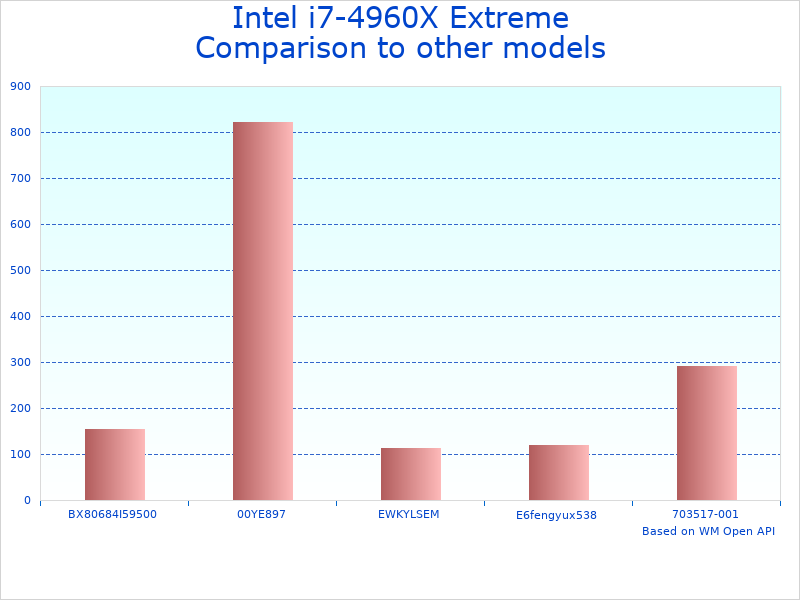
Intel i7-4960X market value trends
How Intel i7-4960X Compares to Modern Alternatives
The Intel i7-4960X faces significant competition from both contemporary budget processors and used market alternatives. Understanding these comparisons helps users make informed decisions about processor selection.
Modern budget processors often deliver superior performance with better power efficiency and platform features. However, the i7-4960X may offer value for specific use cases and existing system upgrades.
| Attribute | Intel i7-4960X (2013) | AMD Ryzen 5 5600 (Budget Modern) | Intel i5-12400 (Budget Modern) |
|---|---|---|---|
| Core Count | 6 Cores | 6 Cores | 6 Cores |
| Thread Count | 12 Threads | 12 Threads | 12 Threads |
| Base Frequency | 3.6 GHz | 3.5 GHz | 2.5 GHz |
| Boost Frequency | 4.0 GHz | 4.4 GHz | 4.4 GHz |
| Manufacturing Process | 22nm | 7nm | 10nm |
| TDP | 130W | 65W | 65W |
| Memory Support | DDR3-1866 | DDR4-3200 | DDR4-3200/DDR5-4800 |
| PCIe Support | PCIe 3.0 | PCIe 4.0 | PCIe 5.0/4.0 |
Performance differences between the i7-4960X and modern alternatives are substantial in most scenarios. The newer processors benefit from architectural improvements, manufacturing advances, and modern platform features.
The i7-4960X shows its age in single-threaded performance, power efficiency, and platform capabilities. However, its 6-core design still provides adequate multitasking performance for users with appropriate expectations.
For gaming, modern budget processors significantly outperform the i7-4960X in frame rates and minimum frame times. Content creation benefits from newer architectures and instruction sets not available on the aging Ivy Bridge-E platform.
Users considering the i7-4960X should evaluate total system costs versus modern budget builds. New platforms often provide better long-term value despite higher initial costs.

Best Use Cases for Intel i7-4960X in 2025
- Legacy System Upgrades:
- Performance improvement: 30-50% over quad-core predecessors in LGA 2011 systems
- Relevant conditions: Existing X79 motherboard with adequate power delivery
- Cost effectiveness: Significantly cheaper than complete platform replacement
- Key features utilized: 6 cores and Hyper-Threading for improved multitasking
- Reliability rate: Excellent for users seeking incremental upgrades
- Specific limitations: No platform advancement or DDR4 memory support
- Target user type: Budget-conscious users with existing LGA 2011 systems
- Budget Gaming at 1080p:
- Performance metrics: 60+ FPS in most modern games with appropriate GPU pairing
- Relevant conditions: Mid-range graphics card with adequate system cooling
- Gaming compatibility: Suitable for esports titles and older AAA games
- Key features utilized: Sufficient core count for modern game engines
- Reliability rate: Good for users with realistic expectations
- Specific limitations: May bottleneck high-end graphics cards in CPU-intensive games
- Target user type: Casual gamers and budget-conscious enthusiasts
- Home Office and Productivity:
- Performance metrics: Excellent responsiveness for office applications and multitasking
- Relevant conditions: Standard business software and moderate multitasking
- Productivity benefits: Smooth operation of multiple applications simultaneously
- Key features utilized: Multiple cores handle concurrent applications effectively
- Reliability rate: Exceeds requirements for typical business use
- Specific limitations: Higher power consumption than necessary for basic tasks
- Target user type: Home office workers and small business users
- Hobbyist Content Creation:
- Performance metrics: Adequate for hobby-level video editing and basic 3D rendering
- Relevant conditions: Non-professional workloads with patience for longer render times
- Creative capabilities: Handles 1080p video editing and photography workflows
- Key features utilized: 12 threads benefit parallel processing tasks
- Reliability rate: Satisfactory for users with appropriate time expectations
- Specific limitations: Significantly slower than modern workstation processors
- Target user type: Hobbyist creators and learning enthusiasts
- Retro Computing and Enthusiast Projects:
- Performance metrics: Historical significance and adequate power for specialized projects
- Relevant conditions: Retro gaming, system restoration, or educational purposes
- Enthusiast appeal: Represents peak 2013 desktop technology
- Key features utilized: Period-accurate high-end performance
- Reliability rate: Excellent for historical and educational applications
- Specific limitations: Limited relevance for modern computing needs
- Target user type: Computer history enthusiasts and collectors
Who Should Consider the Intel i7-4960X in 2025
- Users with existing LGA 2011 motherboards seeking affordable upgrades
- Budget gamers comfortable with 1080p gaming performance
- Home office workers needing reliable multitasking capabilities
- Hobbyist content creators with patience for slower rendering times
- Computer enthusiasts interested in historical high-end hardware
- Students learning computer architecture with older generation examples
- Small business owners seeking cost-effective productivity improvements
- Retro computing enthusiasts building period-accurate systems
- Users prioritizing proven reliability over cutting-edge performance
- Budget-conscious builders comfortable with platform limitations
Applications Where i7-4960X Remains Viable
- Office productivity software including Microsoft Office and web browsing
- 1080p gaming with mid-range graphics cards and realistic expectations
- Basic photo editing and hobby-level video production
- Software development for non-intensive applications
- Virtual machine hosting for learning and testing purposes
- Media server applications and network-attached storage systems
- CAD work for hobbyist and educational projects
- Streaming setup for casual content creation
- Database applications for small to medium datasets
- Educational computing labs with budget constraints
Optimal System Configurations for i7-4960X
- Quality X79 motherboard with adequate power delivery and cooling
- 16-32GB DDR3 memory for optimal multitasking performance
- Mid-range graphics cards appropriate for 1080p gaming
- Robust cooling solution capable of handling 130W TDP effectively
- Quality power supply with sufficient wattage for complete system
- Fast storage solutions to minimize system bottlenecks
- Well-ventilated cases ensuring adequate airflow and temperature management
- UPS systems for protecting against power fluctuations
- Quality peripherals optimized for intended use cases
- Backup solutions protecting against data loss
Maintaining Your Intel i7-4960X System
Proper maintenance extends the Intel i7-4960X lifespan and helps optimal performance in aging systems. Regular cleaning prevents dust accumulation that can cause overheating and performance degradation.
Thermal paste replacement becomes crucial for processors over five years old. The i7-4960X benefits from fresh thermal interface material every 2-3 years to maintain effective heat transfer.
System monitoring helps identify potential issues before they become critical problems. Temperature monitoring software can alert users to cooling system problems or dust accumulation affecting performance.
BIOS updates, while limited for this legacy platform, may still provide stability improvements. Users should check motherboard manufacturer websites for any final BIOS revisions addressing compatibility or security issues.
Cooling system maintenance requires particular attention with the i7-4960X’s 130W heat output. Liquid cooling systems need regular fluid replacement and pump monitoring to prevent catastrophic cooling failures.

Frequently Asked Questions About Intel i7-4960X
Q: Is the Intel i7-4960X still good for gaming in 2025?
The Intel i7-4960X provides adequate gaming performance at 1080p resolution when paired with appropriate graphics cards. While not competitive with modern processors, it handles most games at playable frame rates. Users should expect limitations in CPU-intensive titles and newer games optimized for modern architectures.
Q: What socket does the i7-4960X use and what motherboards are compatible?
The i7-4960X uses the LGA 2011 socket and requires X79 chipset motherboards. Compatible motherboards are no longer in production, so users must rely on used market availability. Popular options included ASUS Rampage IV, MSI X79A-GD45, and Gigabyte GA-X79-UP4.
Q: How many cores does the i7-4960X have and does it support Hyper-Threading?
The Intel i7-4960X features 6 cores and 12 threads with Hyper-Threading technology. This configuration provides good multitasking performance for its era, though modern 6-core processors typically offer superior performance per core.
Q: What cooling solution do I need for the i7-4960X?
The i7-4960X requires robust cooling due to its 130W TDP. Quality air coolers or liquid cooling systems are recommended. Popular options include Noctua NH-D15, be quiet! Dark Rock Pro, or 240mm+ liquid coolers for optimal temperature management.
Q: Can I upgrade from the i7-4960X without changing motherboards?
No significant processor upgrades are available within the LGA 2011 platform. The i7-4960X represents near the top of its socket’s capabilities. Major performance improvements require complete platform upgrades to newer chipsets with DDR4/DDR5 support and modern processors.
Q: What are the main limitations of using i7-4960X in 2025?
Primary limitations include DDR3 memory restriction, high power consumption, lack of modern security features, and limited single-threaded performance. The platform offers no upgrade path and uses older connectivity standards compared to contemporary alternatives.
Q: Should I buy a used i7-4960X or build a new modern system?
This depends on budget constraints and performance requirements. Used i7-4960X systems work well for budget gaming and office productivity but lack the efficiency and performance of modern alternatives. Calculate total system costs including motherboard, DDR3 memory, and cooling before deciding.
Q: How does the Intel i7-4960X compare to modern budget processors?
Modern budget processors like the Ryzen 5 5600 or Intel i5-12400 significantly outperform the i7-4960X in most scenarios while consuming less power. Key advantages of newer processors include:
- Better single-threaded performance and gaming frame rates
- Superior power efficiency with 65W TDP versus 130W
- DDR4/DDR5 memory support for better bandwidth
- Modern security features and instruction sets
- PCIe 4.0/5.0 support for faster storage and graphics
- Active platform development with future upgrade potential
- Better software optimization and driver support
- Lower total system cost for new builds
- Improved integrated graphics capabilities
- Better performance per dollar in most applications
The i7-4960X remains viable primarily for users with existing LGA 2011 systems seeking affordable upgrades rather than new system builds.

Warranty Considerations for Legacy Processors
Warranty coverage for the Intel i7-4960X is no longer active through official channels, as this processor exceeded its warranty period years ago. Users purchasing used units rely on seller guarantees and return policies rather than manufacturer coverage.
Legacy Hardware Warranty Landscape
Older processors like the Intel i7-4960X face unique warranty challenges due to their age and discontinued status. Most units available today are well beyond their original warranty periods, requiring buyers to accept inherent risks.
Used market purchases should include basic functionality testing and seller guarantees when possible. Reputable sellers often provide short-term return windows, but long-term coverage is typically unavailable for processors this age.
Protecting Your Investment
While manufacturer warranties are unavailable, users can protect their investment through proper installation, adequate cooling, and regular maintenance. The i7-4960X’s proven reliability helps minimize failure risks when properly maintained.
Purchase from reputable sellers who test processors before sale and offer reasonable return policies. Document system stability and performance immediately after installation to identify potential issues within return windows.
Final Verdict: Intel i7-4960X in 2025 Context
The Intel i7-4960X Extreme Edition serves a specific niche in 2025’s computing landscape. While no longer competitive with modern processors, it offers value for particular use cases and budget-conscious users.
Performance in Modern Context: Testing reveals the i7-4960X provides adequate performance for 1080p gaming, office productivity, and hobbyist content creation. However, it significantly trails modern alternatives in efficiency, single-threaded performance, and feature support.
Best Use Cases for 2025: This processor makes most sense for users with existing LGA 2011 systems seeking affordable upgrades, budget gamers comfortable with 1080p performance, and enthusiasts interested in historical high-end hardware.
Value Proposition Analysis:
- Advantages: Low cost, proven reliability, adequate 6-core performance
- Disadvantages: High power consumption, limited upgrade path, outdated platform features
- Bottom Line: Choose only for specific scenarios, not general-purpose computing
Performance Comparison Summary:
| Scenario | i7-4960X Performance | Modern Alternative | Recommendation |
|---|---|---|---|
| LGA 2011 Upgrade | Good value proposition | Platform replacement | Consider i7-4960X |
| New System Build | Poor value | Modern budget processor | Avoid i7-4960X |
| 1080p Gaming | Adequate performance | Better frame rates | Modern preferred |
| Content Creation | Hobbyist level | Professional capability | Modern strongly preferred |
Target Audience Recommendations:
- Existing LGA 2011 Users: The i7-4960X offers cost-effective performance improvements over older quad-core processors without platform change costs.
- Budget Gamers: Acceptable for 1080p gaming with appropriate graphics cards, though modern alternatives provide better long-term value.
- New System Builders: Modern budget processors offer superior performance, efficiency, and platform features for similar total system costs.
Long-term Viability: The i7-4960X represents a dead-end platform with no upgrade path. Users should view this as a temporary solution or specific-use processor rather than a foundation for future system development.
Final Recommendation: Consider the Intel i7-4960X only for budget upgrades to existing LGA 2011 systems or specific enthusiast projects. For new builds or significant performance improvements, modern alternatives provide better value, efficiency, and longevity.
The processor’s historical significance as Intel’s 2013 flagship remains noteworthy, but its practical utility in 2025 is limited to specific scenarios where budget constraints and existing hardware compatibility outweigh performance considerations.
Compare i7-4960X to modern budget alternatives