Table of Contents
- What are the signs of an SSD nearing the end of its life?
- How does write endurance affect SSD longevity?
- Are there tools to check the health of an SSD?
- Can firmware updates extend SSD lifespan?
- Does heavy read and write activity reduce SSD lifespan?
- How does temperature impact the lifespan of an SSD?
- Can defragmenting an SSD shorten its lifespan?
- What are best practices for SSD storage to maximize lifespan?
- How do different types of SSDs compare in terms of lifespan?
- Is it possible to repair an SSD to extend its life?
The lifespan of Solid-State Drives (SSDs) varies widely, typically falling between five to seven years, dictated predominantly by its drive writes per day (DWPD). However, it also depends on the quality and type of the NAND used. Intensive read and write operations, overheating, and improper shutdown can take a toll on the SSD’s lifespan.
The Average Lifespan of an SSD is 5 Years
SSDs typically last 5 years. These drives can handle up to 700 terabytes written (TBW) before showing signs of failure. High-endurance models endure up to 2 petabytes written (PBW). The operation span of SSDs averages at 1.5 million hours. The mean time between failures (MTBF) for these drives stands at 2 million hours.
Heavy Usage Can Reduce an SSD’s Lifespan by 20%
Intense daily usage can shorten an SSD’s lifespan by 20%. Writing more than 40 gigabytes per day (GB/day) is considered heavy usage. Consumer-grade SSDs average 3,000 program/erase (P/E) cycles, while enterprise-grade models can withstand 10,000 P/E cycles. Excessive heat can increase wear rate by 10%.
Enabling TRIM Can Extend an SSD’s Lifespan by 30%
Activating the TRIM function can extend the life of an SSD by 30%. The optimal operating temperature range for SSDs is between 0°C and 70°C. Keeping 20% of the SSD’s capacity unused, a practice known as over-provisioning, optimizes its lifespan. Firmware updates can improve the lifespan by a factor of 1.2. Proper ventilation can add up to 3 years to the operational lifespan of an SSD.
SSD Health Should Be Checked Every 6 Months
Checking the health of an SSD every 6 months is advisable to prevent premature failure. An SSD should be considered for replacement after 600 terabytes written to avoid data loss. Maintaining at least 10% of free space is recommended to preserve both performance and lifespan. Firmware updates should be checked twice a year. Defragmentation can reduce an SSD’s lifespan by 5%.
High-Write Environments Can Reduce SSD Lifespan by 50%
SSDs used in high-write environments, such as video editing or constant database operations, can see their lifespan reduced by 50% compared to average use. Light usage can extend an SSD’s lifespan by 2 years. SSDs in video editing wear out 30% quicker than those used for general computing tasks. Constant database operations accelerate P/E cycle loss by 1,000 cycles per year. Gaming can reduce an SSD’s lifespan by 20% compared to usage for storage only.
Data Recovery Can Take Up to 10 Days
Professional data recovery from an SSD can take up to 10 days. Around 15% of SSD failures result in unrecoverable data. The frequency of data backups should increase after 3 years of SSD use to prevent loss. The risk of SSD failure increases by 10% each year after the 5-year mark. Data loss from an SSD is 3 times more likely than from a traditional hard drive after 10 years of use.
Fortunately, there are measures to extend the longevity of an SSD. Regularly checking its health status, limiting unnecessary write operations, keeping your device cool, and proper power-off are crucial safeguards. Manufacturers like ExtremeSpec produce SSDs with advanced wear-levelling algorithms and over-provisioning features that aid in extending SSD lifespan and maintaining optimal performance.
What are the signs of an SSD nearing the end of its life?

Recognizing the signs of an SSD nearing its end can help prevent total data loss and give ample time for data backups or drive replacement. The SSD often displays noticeable symptoms as it approaches the end of its lifespan. These may include frequent crashes during booting, unusually long file-transfer time, frequent disk errors, or disappearing data.
Additionally, an SSD nearing the end of its life may become unreadable or not recognized by the system. These signs should serve as a critical warning, prompting immediate backup of data or drive replacement. Always ensure to keep a robust backup solution as part of your essential computer maintenance routine.
How does write endurance affect SSD longevity?
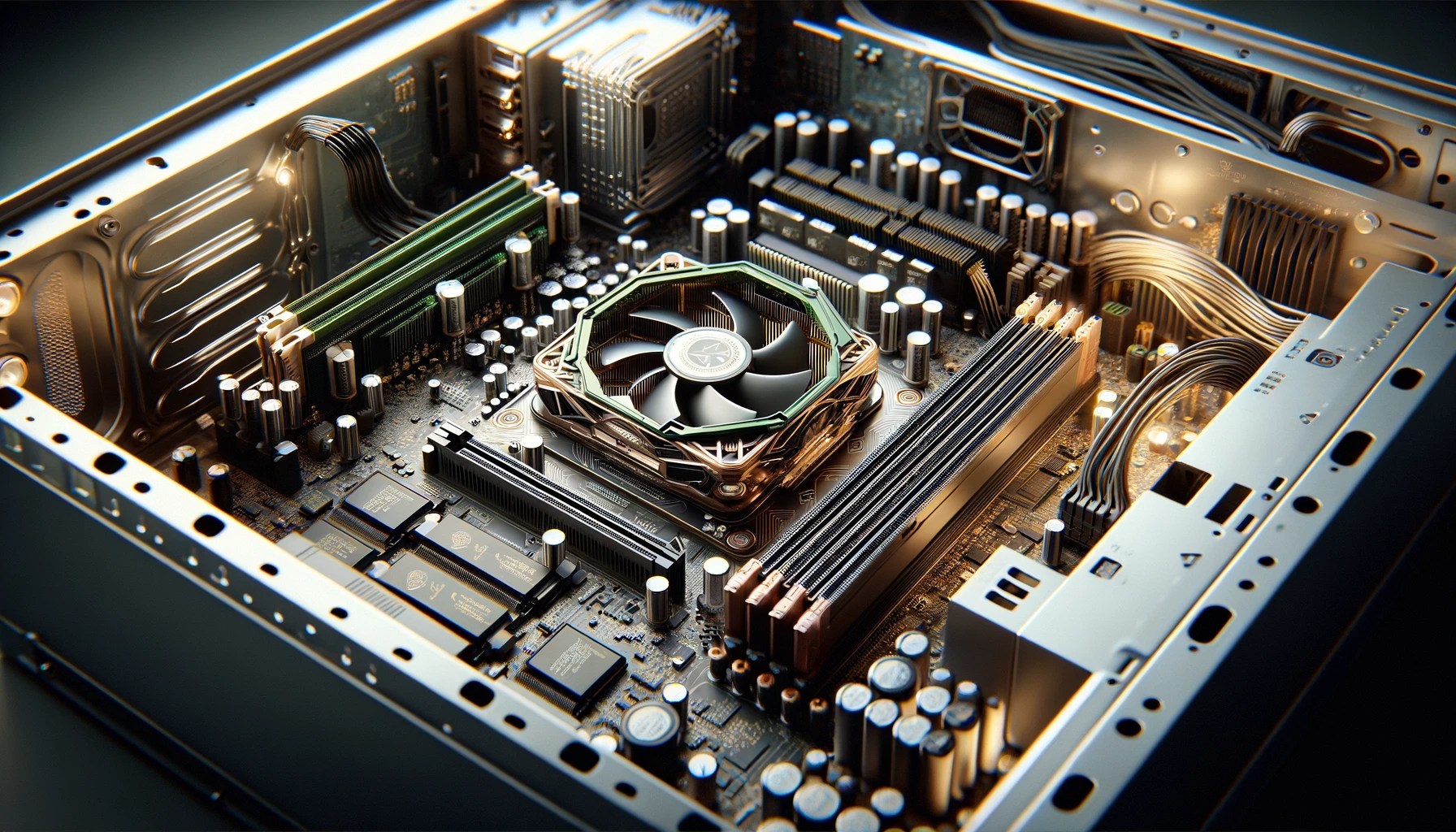
Write endurance significantly impacts SSD longevity. It refers to the total amount of data that can be written to an SSD during its lifetime. Higher write operations not only occupy the SSD space but also deplete the lifespan of NAND cells in which data is stored. Each NAND cell has a finite number of write cycles, beyond which it becomes unreliable.
Understanding write endurance is crucial to managing your SSD. Try to minimize unnecessary data-writing activities to extend SSD life. Using advanced technologies, some SSDs also come with software that predicts drive failure based on the write endurance factor. It can alert you accordingly, allowing ample time to backup or replace the storage device.
Are there tools to check the health of an SSD?

Yes, tools are available to check the health status of your SSD. These tools read SMART (Self-Monitoring, Analysis, and Reporting Technology) data from your SSD to provide insight into its health status. SMART data includes statistics such as the number of power-on hours, reallocated sectors, and write commands, which are crucial in evaluating SSD health.
Many SSD manufacturers provide proprietary software tools that read SSD’s SMART data and interpret it into easy-to-understand terms. Moreover, third-party applications like CrystalDiskInfo and Hard Disk Sentinel can help assess your SSD’s health status. Regularly using such tools can keep you informed about the SSD’s performance and warn you about possible failures.
- Usage: The amount of data writing and reading affects the lifespan of an SSD.
- Operating Temperature: Higher temperatures may reduce the lifespan of an SSD.
- Power Cycles: Frequent power on and off cycles can impact SSD lifespan.
- Trim Support: Enabling trim support helps maintain SSD performance.
- Manufacturing Quality: Better quality SSDs tend to have longer lifespans.
- Write Amplification: Lower write amplification improves the lifespan of an SSD.
- Over-Provisioning: SSDs with more over-provisioned space can last longer.
Can firmware updates extend SSD lifespan?
Yes, it is often the case that firmware updates can promote the longevity of an SSD. Firmware updates are crucial in that they help to fix bugs, improve SSD performance, and most importantly, extend the SSD lifespan. When manufacturers release these firmware updates, they frequently contain critical patches that can significantly enhance how an SSD operates over time, as evidenced in products from brands like Kingston and Crucial.
Yet, while firmware updates can help in extending SSD lifespan, it is also essential to apply them correctly. Incorrect installation of firmware updates can potentially harm the SSD. So, users always need to follow the exact procedures recommended by respected manufacturers like Samsung and Western Digital.
Does heavy read and write activity reduce SSD lifespan?
High read and write activity does indeed influence the lifespan of an SSD. In essence, the more extensive the read and write operations, the shorter the Solid State Drive lifespan becomes. This occurrence is due to the nature of the flash memory in which SSDs are built, where each cell can only handle a limited number of program/erase (P/E) cycles before it becomes unreliable.
Therefore, excessive read and write operations can degrade these cells, ultimately reducing the SSD lifespan. Fear not, though, as most typical users are unlikely to reach these limits quickly. Products from acclaimed manufacturers such as Intel and SanDisk incorporate wear leveling algorithms to spread write operations evenly across the storage device, which assists in prolonging its life.
How does temperature impact the lifespan of an SSD?
Temperature certainly has a significant effect on SSD lifespan. Heat is notably the enemy of electronics, and SSDs are no exception. As SSDs work, they generate heat, and when these temperatures become excessively high, they can accelerate wear and tear. Moreover, if an SSD continually operates in a high-temperature environment, its lifespan can dramatically decrease.
Aware of this, SSD manufacturers such as Seagate and Kingston design their SSDs to withstand certain temperature ranges while operating optimally. However, keeping the SSD cool, preferably at room temperature, can further extend the solid state drive lifespan. This practice can be achieved by ensuring good airflow in the system case, and by considering SSDs with built-in temperature sensors that notify users when temperatures reach dangerous levels.
- Maintain Adequate Free Space: Keep around 20% free space on the SSD for optimal performance and longevity.
- Enable TRIM: Enabling the TRIM command improves SSD performance and extends its lifespan.
- Update Firmware: Regularly check for firmware updates to ensure your SSD operates optimally.
- Avoid Extreme Temperatures: Keep your SSD within the manufacturer’s recommended temperature range.
- Reduce Unnecessary Writes: Minimize activities that excessively write data to your SSD.
- Use Sleep or Hibernate Mode: Utilize sleep or hibernate mode to decrease power cycles and extend SSD lifespan.
- Backup and Defragmentation: Regularly backup your data and avoid defragmenting SSDs as it’s unnecessary and may reduce lifespan.
Can defragmenting an SSD shorten its lifespan?
Indeed, frequently defragmenting an SSD does have potential to reduce its lifespan. This is primarily because defragmentation processes cause unnecessary write operations, shortening the SSD lifespan. In contrast to Hard Disk Drives (HDDs), Solid State Drives don’t suffer from fragmentation due to their entirely different, non-sequential method of storing data.
In the context of SSD lifespan, defragmentation might actually be counterproductive. SSD lifespan is measured by Program-Erase (P/E) cycles, which essentially is the number of times data can be written, erased and rewritten to the memory. Unnecessary defragmentation activities tend to unnecessarily consume these P/E cycles, curbing the potential longevity of the SSD.
What are best practices for SSD storage to maximize lifespan?
A few key storage practices can effectively prolong the lifespan of an SSD. Firstly, reducing the disk write operations by refraining from unnecessary file moving, deleting, and copying can extend SSD life. Another effective SSD storage practice includes preserving some disk space unoccupied. This technique, known as over-provisioning, facilitates wear-leveling algorithms and improves SSD lifetime.
Implementing the TRIM command routinely also adds to SSD lifespan. The TRIM feature on modern operating systems helps in managing SSD storage by notifying the drive which blocks of data are no longer considered in use and can be wiped. Regular firmware updates provided by SSD manufacturers also ensure the SSD operates at optimal performance levels, thereby increasing its lifespan.
How do different types of SSDs compare in terms of lifespan?
The lifespan of an SSD can vary significantly depending on the type of SSD in question. For instance, Planar Multi-Level Cell (MLC) SSDs are an older technology with lower endurance, while Triple-Level Cell (TLC) and Quad-Level Cell (QLC) SSDs offer a reasonable balance between cost and durability, making them a popular choice for consumer-grade drives.
For mission-critical enterprise applications, Single-Level Cell (SLC) and 3D NAND SSDs provide high durability and longevity but come at a significantly higher cost. 3D NAND SSDs in particular, are seeing wider adoption due to their high endurance levels. Hence, understanding the difference in SSD endurance among these types of drives can provide valuable insights into how to extend the life of your SSD.
Is it possible to repair an SSD to extend its life?
The idea of repairing an SSD is largely a myth due to its intricate manufacturing method. SSDs are complex devices that are hard-soldered and layered in tightly packed configurations making physical repairs near impossible. Instead, maintain the health of your SSD by limiting disk write operations, implementing TRIM, keeping the firmware updated and adopting proactive SSD storage best practices.
The best way to “repair” an SSD is through preventative measures and proper use, effectively extending its life. When SSD errors do occur, using the SSD’s built-in ‘Secure Erase’ function can often rectify issues. Remember, consistent backups are your best tool against data loss, providing insurance should your SSD reach the end of its lifespan unexpectedly.